









Natural stone countertops remain the premium choice for luxury residential and commercial projects. Marble, granite, and quartzite each offer unique aesthetic and performance properties that suit different applications. Understanding how these materials differ helps specifiers and homeowners select the right stone for their project requirements.
| Property | Marble | Granite | Quartzite |
|---|---|---|---|
| Geological origin | Metamorphosed limestone | Solidified magma | Metamorphosed sandstone |
| Mohs hardness | 3–5 | 6–7 | 7 |
| Porosity | High | Low–moderate | Low |
| Sealing required | Every 6–12 months | Every 1–2 years | Every 1–2 years |
| Stain resistance | Moderate (with sealing) | Good (with sealing) | Very good (with sealing) |
| Acid sensitivity | High (etching) | Low | Low |
| Heat resistance | Excellent | Excellent | Excellent |
| Pattern style | Veined, flowing | Speckled, granular | Veined, crystalline |
| Typical use | Bathrooms, low-use kitchens | High-use kitchens, outdoor | Kitchens, feature walls |
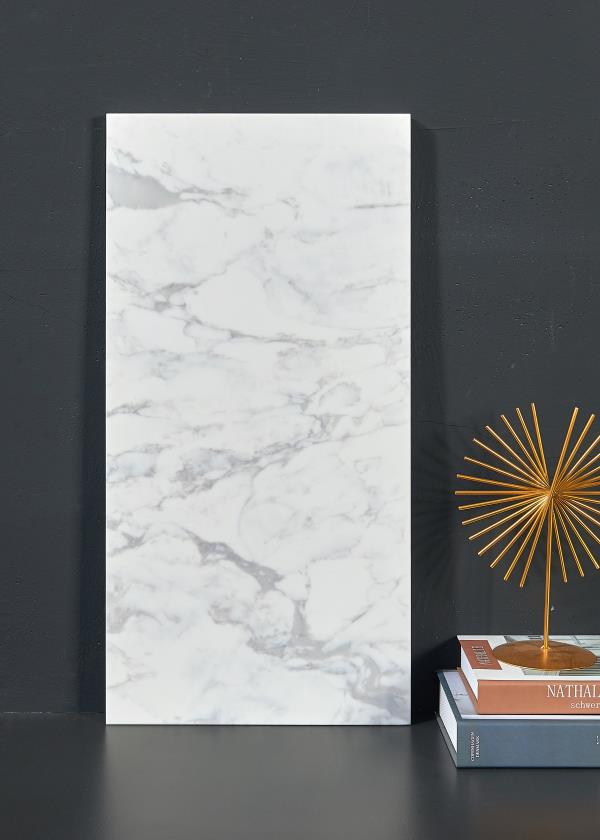
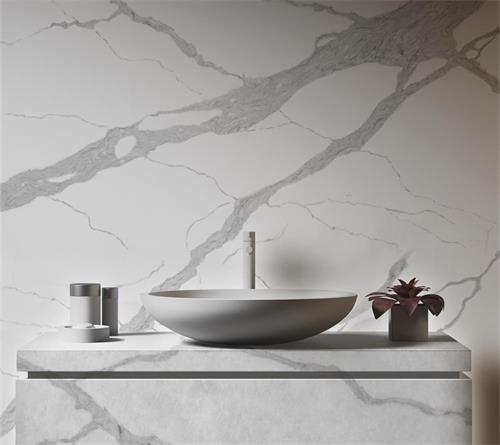
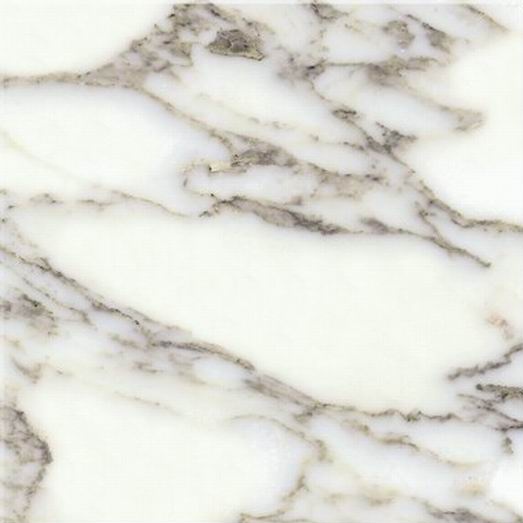
Marble is metamorphosed limestone that recrystallizes under heat and pressure, creating the characteristic veining patterns that have made it prized for sculpture and architecture since antiquity. The Natural Stone Institute notes that marble remains the preferred material for premium bathroom installations and statement kitchen islands.
Veining patterns: Mineral impurities create distinctive flowing veins in colors ranging from soft grey to dramatic gold
Color range: White (Carrara, Calacatta), black (Nero Marquina), green (Verde Guatemala), pink (Rosa Aurora)
Surface finishes: Polished (high gloss), honed (matte), brushed (textured)
Aging characteristics: Develops a patina over time that many homeowners appreciate
Acid sensitivity: Lemon juice, vinegar, wine etch the surface on contact
Porosity: Requires regular sealing to prevent staining
Softness: Scratches more easily than granite or quartzite
Maintenance: Highest among natural stones
Bathroom vanity tops (low acid exposure)
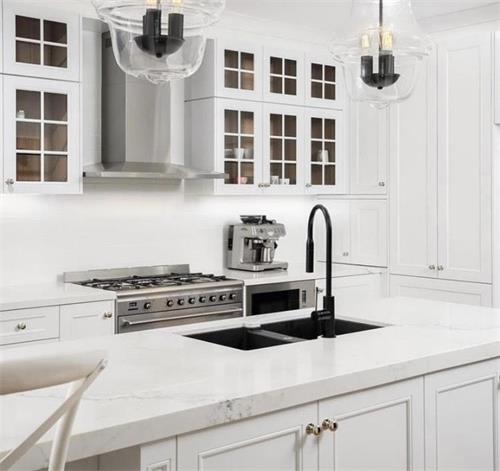
Feature islands (visual impact with moderate use)
Fireplace surrounds (heat tolerance)
Sculptural elements and columns
Backsplashes in low-splash zones
Granite forms from slowly cooled magma deep within the Earth, creating an interlocking crystal structure of quartz, feldspar, and other minerals. It is the most commonly used natural stone for kitchen countertops due to its balance of beauty and durability.
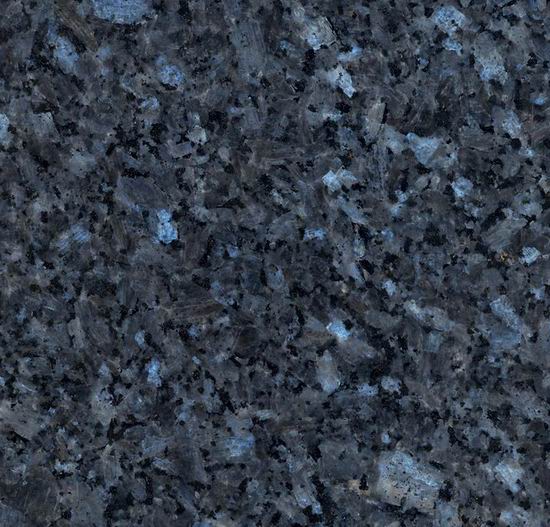
Mineral composition: Quartz (20–40%), feldspar, mica, hornblende create speckled appearance
Color range: Virtually unlimited — black, white, grey, red, green, blue, gold
Origin sources: Brazil, India, China, Norway, Italy, USA
Durability: Among the most durable natural stones available
Heat tolerance: Handles direct hot pan contact better than any engineered surface
Scratch resistance: Harder than most kitchen knives
Stain resistance: Low porosity with proper sealing
UV resistance: Suitable for outdoor applications
Sealing required: Initial sealing and re-sealing every 1–2 years
Visible seams: Multi-slab installations show seams
Pattern consistency: Each slab is unique, requiring selection at supplier
High-use residential kitchens
Outdoor kitchens (with UV-resistant sealers)
Commercial food service counters
Bars and reception desks
Flooring in high-traffic areas
Quartzite begins as sandstone and transforms through heat and pressure into one of the hardest natural stones available. According to the Marmomacc International Stone Fair industry data, quartzite imports have grown approximately 15% annually over the past five years, reflecting its increasing popularity.
Hardness: 7 on Mohs scale — harder than granite
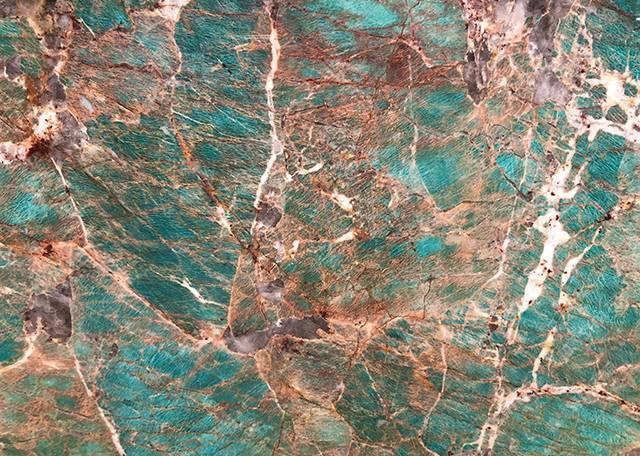
Crystal structure: Interlocking quartz grains create depth and luminosity
Color range: White (Taj Mahal, Mother of Pearl), grey (Sea Pearl), gold (Azul Imperiale), dramatic (Emerald Green)
Pattern style: Often resembles marble but with granite-level performance
Marble look, granite performance: Provides marble aesthetics without acid sensitivity
Superior hardness: Resists scratches and chips better than marble
Lower porosity: Less frequent sealing than marble
Distinctive appearance: Often features translucent crystalline qualities
Higher cost: Premium quartzite can exceed the cost of exotic granite
Variable quality: Some "quartzite" in the market is actually softer dolomitic marble — verify with hardness testing
Limited color range: Fewer options than granite
Fabrication complexity: Hardness makes cutting and edge profiling more challenging
High-end kitchen countertops
Statement islands
Bathroom feature walls
Commercial reception areas
Anywhere marble aesthetics are desired with better performance
Choose marble when:
Budget allows for higher maintenance commitment
Aesthetic priorities exceed performance requirements
Application is low-use (bathroom vanity, decorative surface)
Patina development is acceptable or desirable
Choose granite when:
Performance and durability are primary concerns
Application involves heavy daily use
Outdoor installation is being considered
Color and pattern variety are important
Choose quartzite when:
Marble aesthetics are desired with better performance
Budget allows for premium natural stone
Long-term durability is essential
Distinctive crystalline appearance is preferred
One issue in the natural stone market is mislabeling softer materials as harder stones. To verify:
1. Mohs hardness test: Real granite and quartzite should scratch glass (Mohs 5.5); marble cannot 2. Acid test: Marble effervesces on contact with vinegar or lemon juice; granite and quartzite do not 3. Supplier documentation: Reputable suppliers provide geological certification 4. Origin verification: Import documentation should specify quarry and country
YDL Stone provides geological certification for all natural stone products, including quarry origin and geological classification.
| Task | Marble | Granite | Quartzite |
|---|---|---|---|
| Daily wipe | Yes | Yes | Yes |
| Sealing frequency | 6–12 months | 1–2 years | 1–2 years |
| Stain treatment | Often needed | Occasional | Rare |
| Polish restoration | Periodically | Rarely | Rarely |
| Acid neutralization | Immediate | N/A | N/A |
| Annual inspection | Required | Recommended | Recommended |
Installed cost per square foot, U.S. residential market:
| Stone type | Budget range | Mid-range | Premium |
|---|---|---|---|
| Marble | $40–$60 | $60–$100 | $100–$250+ |
| Granite | $35–$60 | $60–$100 | $100–$200+ |
| Quartzite | $60–$100 | $100–$150 | $150–$300+ |
Exotic varieties (Blue Bahia granite, Calacatta marble, Taj Mahal quartzite) reach $200–$500+ per square foot.
Which natural stone is most durable? Quartzite is the hardest natural stone countertop option (Mohs 7), followed by granite (Mohs 6–7) and marble (Mohs 3–5).
Can marble be used in kitchens? Yes, but expect acid etching from common kitchen ingredients. Honed finishes hide etching better than polished.
How often does granite need sealing? Most granite requires sealing every 1–2 years. Some denser granites may go longer; test by sprinkling water — if it doesn't bead, sealing is needed.
Is quartzite better than granite? Quartzite is harder but granite offers more color variety and lower cost. Both perform well; choice depends on aesthetic preference and budget.
Why is some quartzite labeled as marble? Mislabeling is unfortunately common. True quartzite is significantly harder than marble. Always verify with a supplier who provides geological certification.
Can natural stone be used outdoors? Granite is the most common outdoor natural stone. Quartzite and some marbles work in covered outdoor applications with proper sealing.
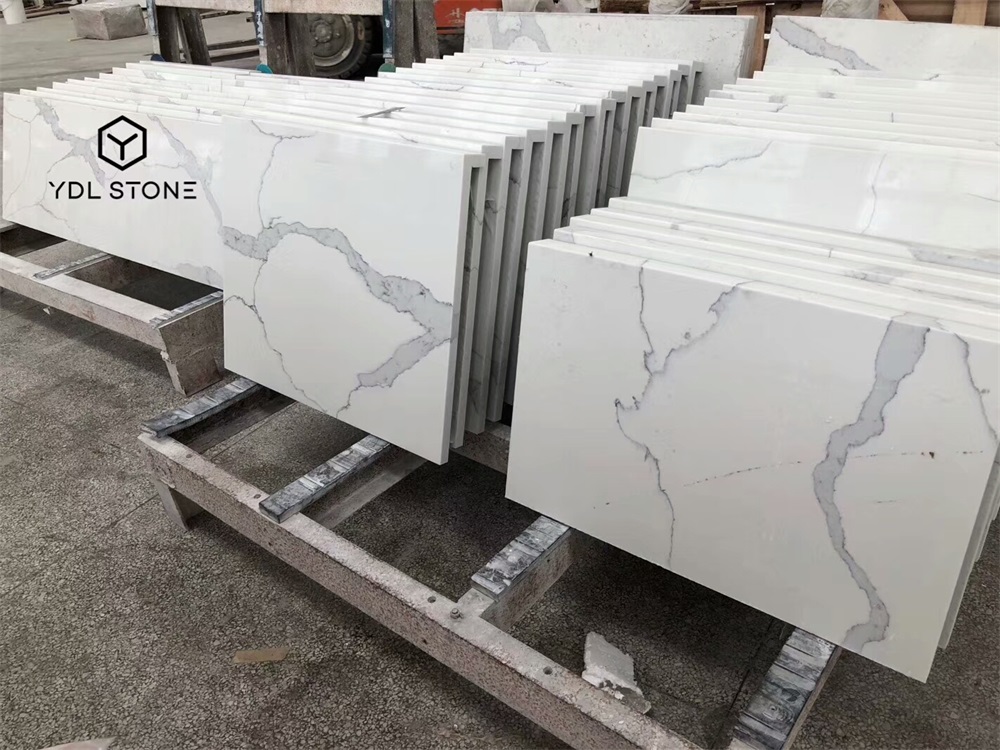
For designers, architects, and homeowners evaluating natural stone options, viewing full-size slabs is essential. YDL Stone supplies natural stone including marble, granite, and quartzite from quarries worldwide, with samples and slab viewing available through regional distribution.
Request natural stone samples or schedule a slab viewing appointment with our team.