Durability & Hardness
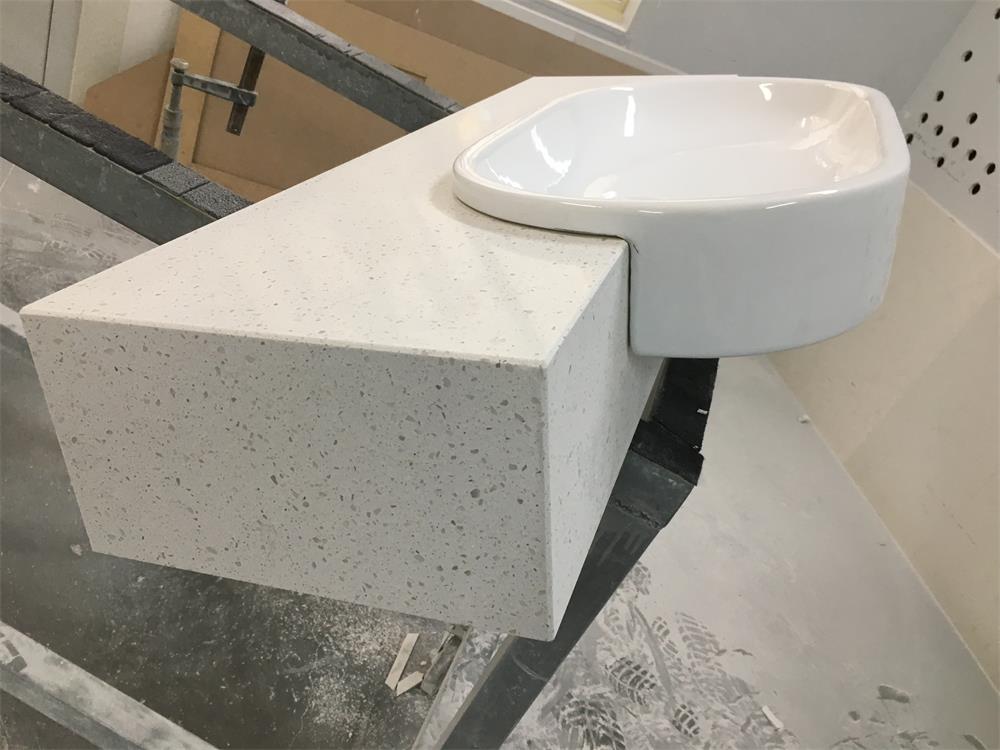
Quartz (Engineered):Engineered quartz scores approximately 7 on the Mohs hardness scale. It is non-porous, highly scratch-resistant, and does not require sealing. The resin binders in quartz make it resistant to chips and cracks under normal kitchen use. According to industry data, quartz remains the most popular countertop material among kitchen professionals, with 78% of respondents selecting it as their top choice in recent industry surveys.
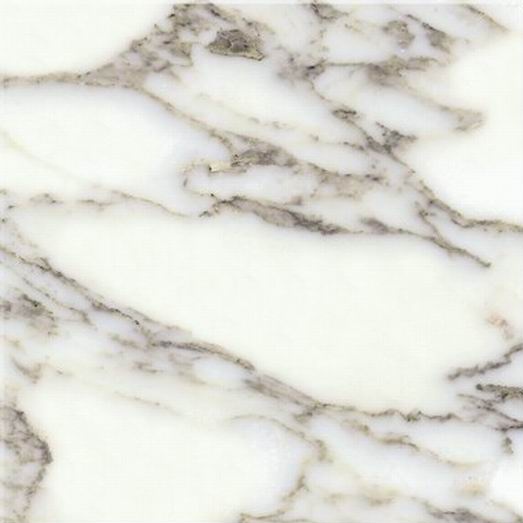
Marble (Natural):Natural marble typically scores 3–5 on the Mohs hardness scale. It is softer and more susceptible to scratching, etching from acidic substances (lemon juice, vinegar, wine), and staining if not sealed properly. However, many designers and homeowners accept these characteristics as part of marble's natural patina and aging process.
|
Property
|
Engineered Quartz
|
Natural Marble
|
|
Mohs Hardness
|
~7
|
3–5
|
|
Scratch Resistance
|
Excellent
|
Moderate (can scratch)
|
|
Stain Resistance
|
Excellent (non-porous)
|
Requires sealing; porous
|
|
Heat Resistance
|
Good (up to ~150°C / 300°F)
|
Good, but thermal shock risk
|
|
Chip/Crack Resistance
|
Very good
|
Moderate
|
Maintenance Requirements
Quartz:Daily cleaning with mild soap and water is sufficient. Because quartz is non-porous, it does not harbor bacteria and does not require sealing, polishing, or special stone cleaners. Avoid placing hot pots directly on the surface, as extreme heat can damage the resin binders.
Marble:Marble requires more attentive care. It should be sealed every 6–12 months depending on use. Acidic spills must be wiped immediately to prevent etching. Use pH-neutral cleaners designed for natural stone. Despite the extra care, many clients find the maintenance routine acceptable given marble's aesthetic payoff.
Appearance & Design Flexibility
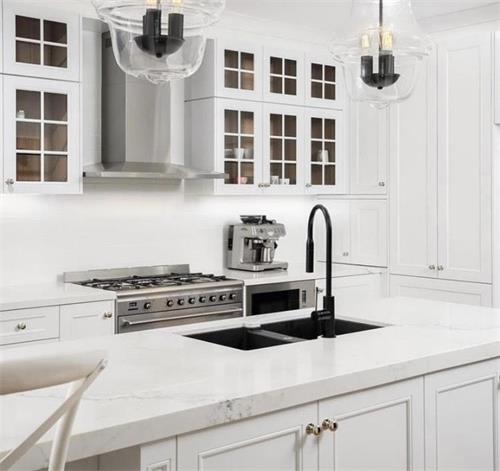
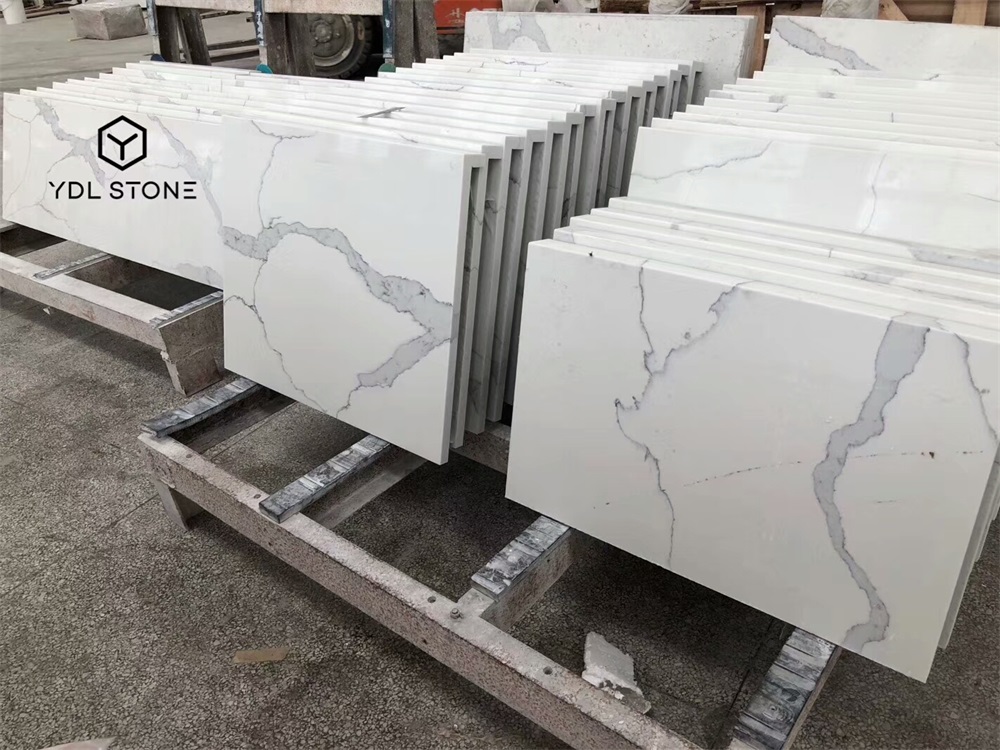
Quartz:Engineered quartz offers consistent color and pattern across slabs. At YDL Stone, we produce a wide range of quartz series with natural vein patterns, solid colors, and Calacatta-inspired designs. Custom color development is also available for large projects requiring brand-specific tones. The manufacturing process allows for jumbo slab sizes (typically 3200×1600 mm or larger), reducing seams on large kitchen islands.
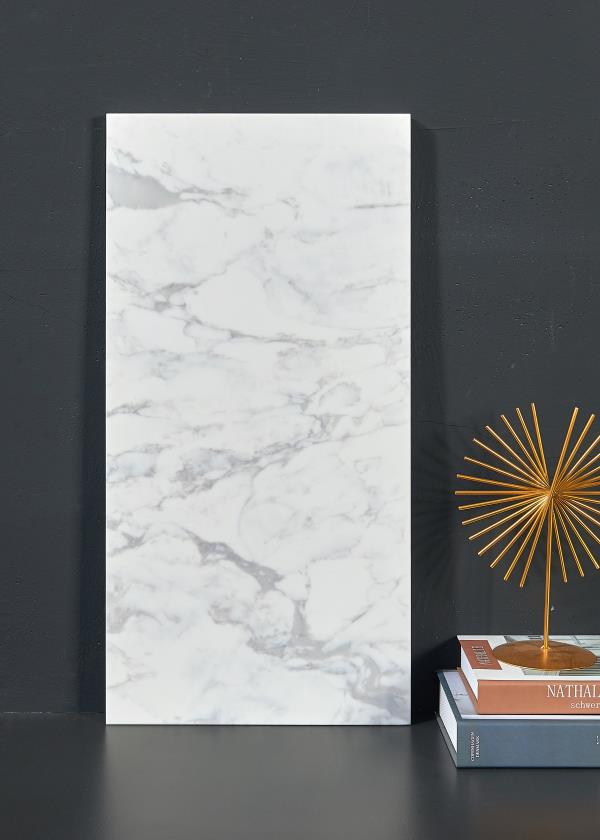
Marble:No two marble slabs are identical. The veining, color variation, and crystalline structure are formed naturally over millions of years. For clients seeking a one-of-a-kind statement piece, marble is unmatched. Popular varieties include Carrara, Calacatta, Statuario, and Emperador. YDL Stone supplies premium natural marble slabs sourced with attention to color consistency and structural integrity.
2026 Design Trend Note: According to the National Kitchen & Bath Association (NKBA), warm earth tones are replacing cool grays in 2026. Both quartz and marble are available in warm white, creamy beige, and soft taupe palettes to match this trend.
Cost Comparison
|
Cost Factor
|
Engineered Quartz
|
Natural Marble
|
|
Material Cost (per sqm, ex-factory)
|
Moderate
|
Moderate to High
|
|
Fabrication Cost
|
Standard
|
Higher (requires skilled cutting)
|
|
Installation Cost
|
Standard
|
Higher (heavier, more fragile)
|
|
Long-term Maintenance
|
Very low
|
Moderate (sealing, occasional polishing)
|
|
Overall Lifecycle Cost
|
Lower
|
Higher
|
Exact pricing varies by slab thickness, finish type (polished vs. honed), order volume, and shipping destination. Contact YDL Stone for a project-specific quotation.
Best Applications
Choose Quartz When:
-
You need a busy kitchen or commercial space with heavy daily use
-
Low maintenance is a priority
-
You want consistent color across multiple slabs
-
You need large island coverage with minimal seams (jumbo slabs)
-
You prefer matte or honed finishes without sacrificing durability
Choose Marble When:
-
You want a luxury, high-end aesthetic with unique natural patterns
-
The space is a low-traffic powder room, master bathroom, or display area
-
You appreciate natural stone patina and are prepared for maintenance
-
You want bookmatched slabs for dramatic wall or backsplash features
-
Warm, classic elegance is the primary design goal
Environmental & Sustainability Considerations
Both natural marble and engineered quartz have environmental profiles worth considering. Natural marble is a quarried material with no synthetic chemicals, but quarrying has land-use impacts. Engineered quartz contains natural quartz aggregate (typically 90–93%) combined with resin binders. Some manufacturers are now developing low-silica or silica-free formulations in response to health and environmental regulations. YDL Stone monitors these developments to ensure our product lines meet evolving international standards.
How to Choose the Right Material for Your Project
Follow this decision framework:
Step 1: Define the space usage. High-traffic kitchens favor quartz. Low-traffic bathrooms or feature walls can accommodate marble.
Step 2: Set your maintenance tolerance. If you want "install and forget," choose quartz. If you accept periodic sealing and careful cleaning, marble is viable.
Step 3: Determine your design vision. For consistency and modern clean lines, choose quartz. For organic, unique natural beauty, choose marble.
Step 4: Consider slab size requirements. For large islands (over 3 meters), jumbo quartz slabs minimize seams. Marble is available in large slabs but seam visibility varies by veining.
Step 5: Request samples. YDL Stone provides sample slabs for color and texture evaluation before full orders. This is especially important for marble, where each slab varies.
Frequently Asked Questions
Q1: Is quartz more expensive than marble?A: Not necessarily. Entry-level quartz and standard marble varieties (such as Carrara) are often comparably priced. Exotic marble (Calacatta Gold, Statuario) is typically more expensive than premium quartz. Overall lifecycle cost favors quartz due to lower maintenance.
Q2: Can I use marble in a kitchen?A: Yes, but with realistic expectations. Marble kitchens require prompt cleanup of acidic spills, regular sealing, and acceptance of natural etching and patina over time. Many high-end residential kitchens use marble successfully.
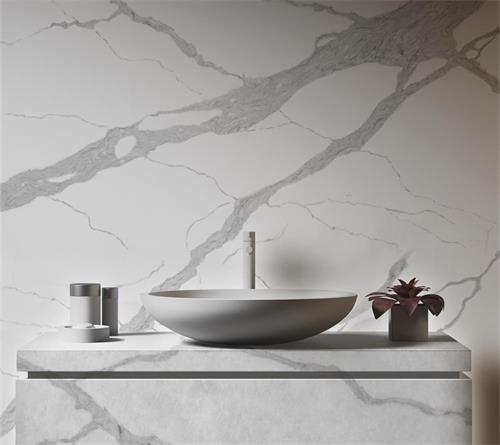
Q3: Does quartz look like marble?A: Modern engineered quartz can closely mimic marble veining, especially Calacatta and Carrara patterns. However, quartz veining is more uniform, while marble veining is organic and unpredictable. YDL Stone offers Calacatta-look quartz for clients wanting marble aesthetics with quartz durability.
Q4: Which material is better for resale value?A: Both materials add value. Marble is often perceived as more luxurious in high-end markets. Quartz appeals to buyers prioritizing practicality and modern design. Regional preferences vary.
Q5: Can YDL Stone supply both materials?A: Yes. YDL Stone, established in Xiamen in 1995, supplies premium engineered quartz slabs and natural marble slabs for export. We offer standard colors, custom color development, and jumbo slab options. Contact us for specifications, samples, and quotations.
Conclusion
Quartz and marble are not competitors—they are complementary materials serving different project requirements. Engineered quartz excels in durability, consistency, and low maintenance. Natural marble delivers unmatched organic beauty and luxury character. In 2026, with warm earth tones trending and both materials available in expanded color ranges, the choice depends on usage, maintenance willingness, and design intent.
For project-specific advice, sample requests, or bulk quotations, contact YDL Stone in Xiamen, China.