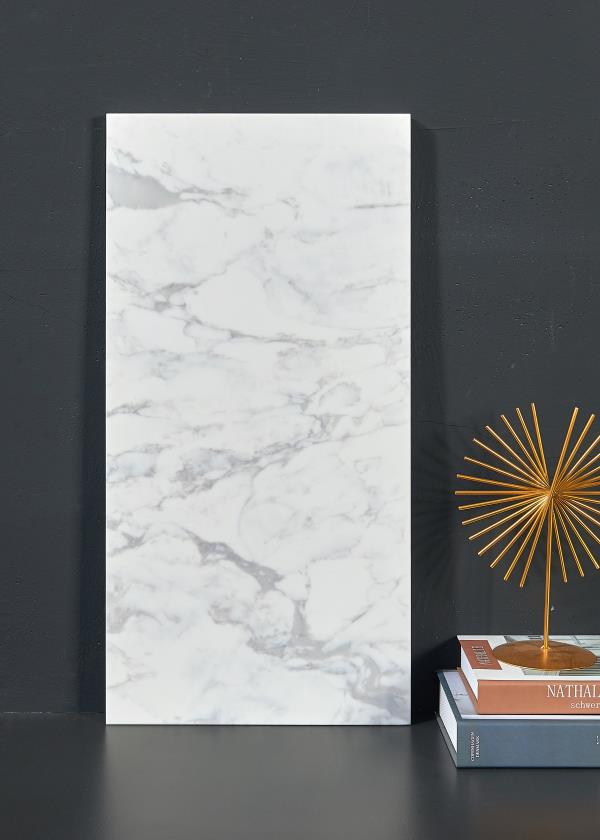
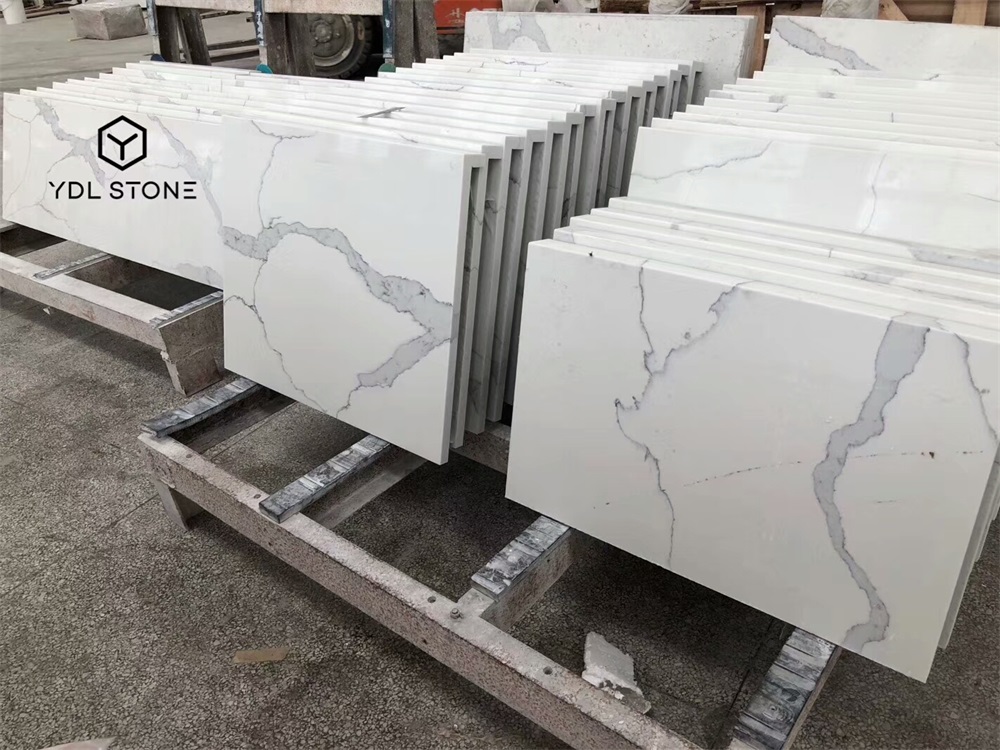









Engineered quartz is a man-made stone surface composed of 90–95% crushed natural quartz crystals bound together with polymer resins and pigments. According to the U.S. Geological Survey, engineered quartz is among the fastest-growing segments of the global decorative stone market, valued at over USD 12 billion in 2025. This guide explains how engineered quartz is made, how it compares to natural stone, and what buyers should look for when sourcing slabs internationally.
Engineered quartz — sometimes called "quartz composite" or "engineered stone" — combines three main ingredients in a precise, factory-controlled process:
Natural quartz aggregate (90–95%): One of the hardest minerals on Earth, quartz ranks 7 on the Mohs hardness scale, making it exceptionally scratch-resistant.
Polymer resins (5–10%): Typically unsaturated polyester or vinyl ester resins act as binders, holding the quartz crystals together under heat and pressure.
Pigments and additives (1–3%): Color pigments create the wide spectrum of patterns, while additives can enhance UV stability or antibacterial properties.
Unlike quarried natural stone, engineered quartz has a consistent composition throughout each slab, which is why designers and contractors prefer it for large commercial projects where uniformity matters.
The manufacturing process at facilities like YDL Stone's Xiamen plant follows a strict seven-step procedure:
1. Raw material inspection and weighing: Each batch of quartz aggregate is tested for purity before being added to the mixing system. 2. Automated mixing: Raw materials are blended with resins and pigments using computer-controlled dosing equipment. 3. Mold casting: The mixture is poured into molds sized for the target slab dimensions (typically 3200 × 1600 mm or customized sizes). 4. Vacuum compaction: A vacuum and vibration process removes air pockets, producing a non-porous, dense slab. 5. High-temperature curing: The slabs are heated in curing kilns to improve flexural strength and toughness. 6. Polishing: Surface gloss levels (matte, honed, or polished) are achieved through calibrated polishing heads. 7. Final quality inspection: Every slab is inspected for color consistency, thickness tolerance (typically ±0.5mm), and surface defects.
| Property | Engineered Quartz | Natural Marble | Natural Granite |
|---|---|---|---|
| Mohs hardness | 6–7 | 3–5 | 6–7 |
| Porosity | Non-porous | Porous | Low porosity |
| Stain resistance | Excellent | Requires sealing | Requires sealing |
| Maintenance | Low | Moderate–High | Moderate |
| Pattern consistency | High | Unique per slab | Unique per slab |
| Food safety certification | NSF/ANSI 51 available | Rare | Rare |
For buyers comparing materials for hospitality or residential projects, engineered quartz's combination of durability and design consistency is often the deciding factor. According to a 2025 market report by Stone World Magazine, quartz now represents approximately 45% of all countertop sales in the U.S. residential market.
When sourcing engineered quartz internationally, look for these independent certifications:
NSF/ANSI 51: Confirms the material is safe for direct food contact — required for commercial kitchens and increasingly specified in residential projects.
GREENGUARD Gold: Verifies low chemical emissions, suitable for schools, healthcare, and indoor environments.
ISO 9001:2015: Demonstrates the manufacturer operates a certified quality management system.
CE Marking: Required for products sold in the European Economic Area, indicating conformity with EU construction product regulations.
SGS testing: Independent verification of physical properties such as flexural strength, water absorption, and abrasion resistance.
YDL Stone's quartz slabs carry NSF/ANSI 51, GREENGUARD Gold, CE, and ISO 9001:2015 certifications, with each batch traceable through SGS test reports.
Engineered quartz is used across residential, commercial, and institutional projects:
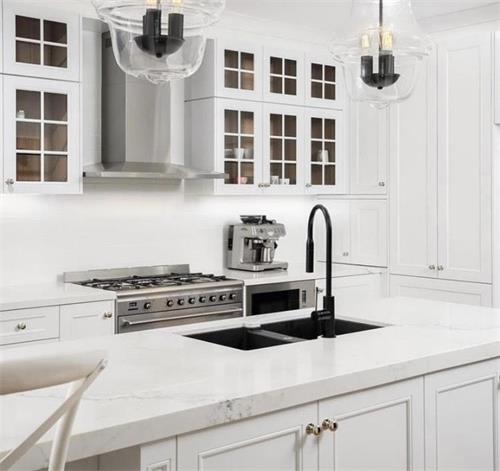
Kitchen countertops and islands: The most popular application globally.
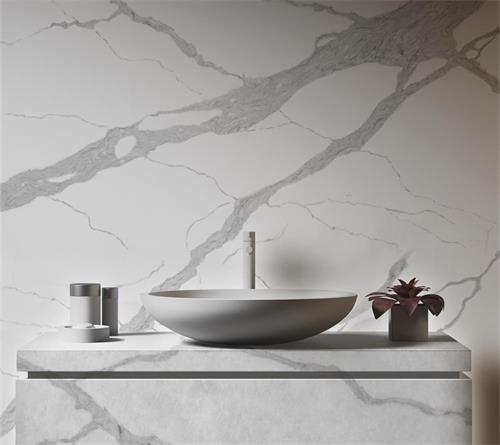
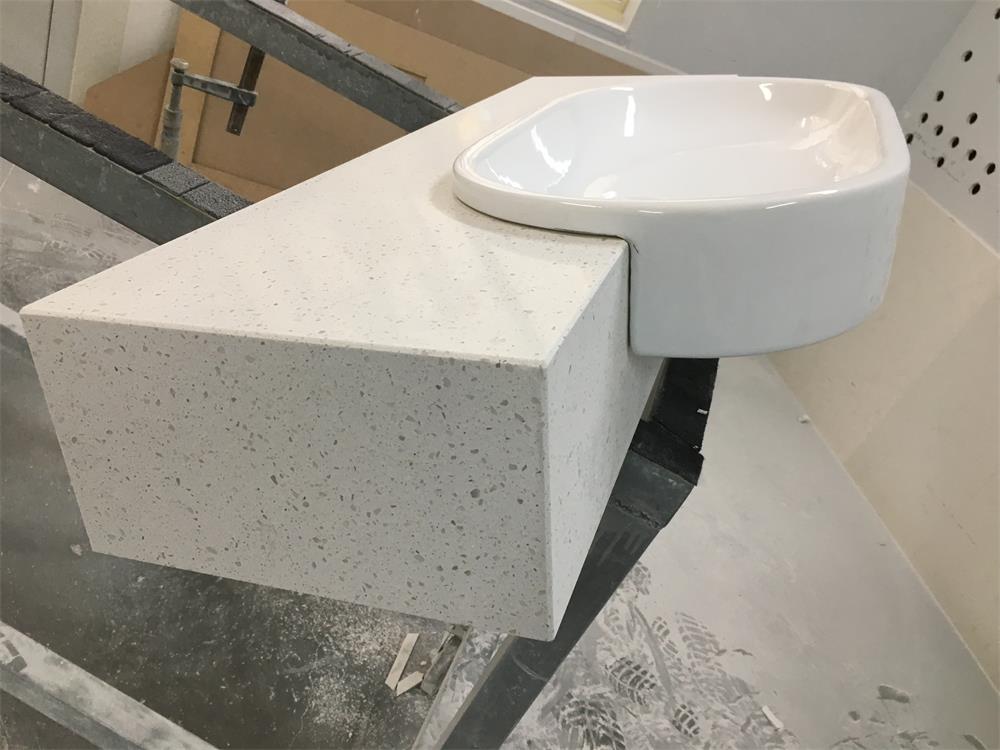
Bathroom vanity tops: Non-porous surface resists makeup, soap, and water staining.
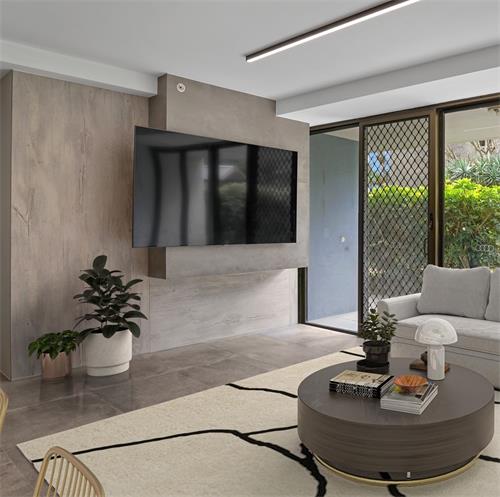
Wall cladding: Lightweight compared to natural stone, suitable for large-format feature walls.
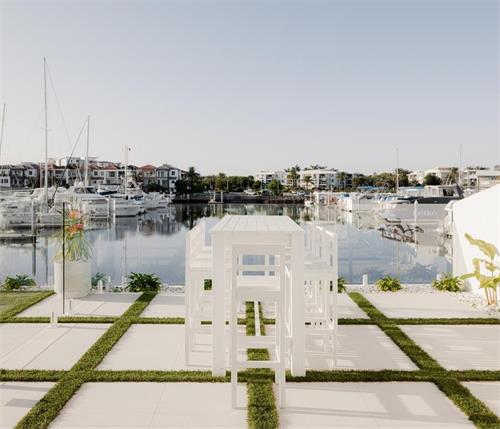
Flooring: High-traffic commercial spaces such as hotels and airports.
Bar tops and reception desks: Stain resistance makes quartz ideal for hospitality.
Window sills and stair treads: Consistency allows modular installation.
When requesting quotes from suppliers, include the following specifications:
1. Slab dimensions (standard 3200 × 1600 mm or custom) 2. Thickness (typically 15mm, 20mm, or 30mm) 3. Surface finish (polished, honed, matte, or textured) 4. Color and series (single color, dual color, vein patterns) 5. Edge profile (eased, beveled, bullnose, ogee, or custom) 6. Required certifications (NSF, GREENGUARD, CE) 7. Order quantity and delivery timeline
YDL Stone supports OEM/ODM customization with low minimum order quantities for color development, making it practical for importers and distributors testing new markets.
Is engineered quartz natural stone? No. Engineered quartz is a manufactured composite that uses natural quartz as a primary ingredient but combines it with resins and pigments under factory conditions.
Can engineered quartz be used outdoors? Most engineered quartz is designed for indoor use. Prolonged UV exposure can cause discoloration in some formulations, so outdoor applications require UV-stabilized grades.
How long does engineered quartz last? With proper care, engineered quartz countertops typically last 25+ years, comparable to natural granite and exceeding most laminate surfaces.
Is engineered quartz more expensive than granite? Pricing depends on color, finish, and origin. In most Western markets, mid-range quartz and granite are similarly priced, while premium quartz patterns can exceed the cost of exotic granite.
Does engineered quartz require sealing? No. The non-porous surface eliminates the need for periodic sealing, unlike natural marble or granite.
For importers, distributors, contractors, and design professionals, sourcing engineered quartz from a vertically integrated manufacturer offers consistent quality and responsive service. YDL Stone supplies engineered quartz slabs, customized countertops, and cabinet packages from its Xiamen, China facility with a Melbourne, Australia warehouse supporting ANZ clients.
Request a quote or sample pack to evaluate material quality, color options, and certification documentation.
This article is published by the YDL Stone Editorial Team. YDL Stone is a B2B supplier of engineered quartz, natural stone, and integrated surface solutions, manufacturing since 1998 from Xiamen, China.