








Choosing between engineered quartz and natural granite is one of the most common decisions in kitchen and bathroom design. Both materials offer distinct advantages — engineered quartz delivers consistency and low maintenance, while granite provides natural variation and heat resistance. This 2026 comparison covers the key factors buyers and specifiers should weigh.
Choose engineered quartz if you prioritize low maintenance, color consistency across large installations, and certified food-safe surfaces. Choose natural granite if you want unique slab variation, prefer a 100% natural material, and value heat resistance for heavy cooking environments.
| Factor | Engineered Quartz | Natural Granite |
|---|---|---|
| Composition | 90–95% quartz + resin binders | 100% natural igneous rock |
| Hardness (Mohs) | 6–7 | 6–7 |
| Porosity | Non-porous | Porous — requires sealing |
| Stain resistance | Excellent | Good (with sealing) |
| Heat resistance | Up to 150°C / 300°F short-term | Up to 250°C / 480°F |
| Scratch resistance | High | High |
| Color/pattern consistency | Very high | Unique per slab |
| UV resistance | Limited (indoor use) | Excellent |
| Maintenance | Wipe clean, no sealing | Annual sealing recommended |
| Food safety certification | NSF/ANSI 51 available | Rare |
| Average cost (USD/sq ft installed) | $50–$100 | $45–$120 |
| Lifespan | 25+ years | 30+ years with care |
Pricing reflects typical U.S. residential market rates as of Q2 2026, based on aggregated data from HomeAdvisor and industry reports.
Both materials rank similarly on the Mohs hardness scale (6–7), meaning both resist everyday scratches from knives and cookware. However, the materials behave differently under stress:
Engineered quartz distributes impact force across the resin-quartz matrix, making it less likely to chip at edges during fabrication.
Natural granite can chip at corners if struck with a heavy object, but tolerates direct heat placement better than quartz.
The Natural Stone Institute notes that granite remains a preferred choice for outdoor kitchens and high-heat commercial applications because it withstands thermal shock without resin breakdown.
Maintenance is often the deciding factor for residential buyers:
Engineered quartz: Requires only mild soap and water. No sealing, no special cleaners. The non-porous surface resists staining from coffee, wine, oil, and common kitchen acids.
Natural granite: Requires sealing upon installation and re-sealing every 12–24 months depending on use. Unsealed granite can harbor bacteria in microscopic surface pores.
A 2024 consumer survey by Houzz found that 68% of homeowners cited "easy maintenance" as the primary reason for selecting quartz over natural stone for kitchen renovations.
The aesthetic difference between these materials is fundamental:
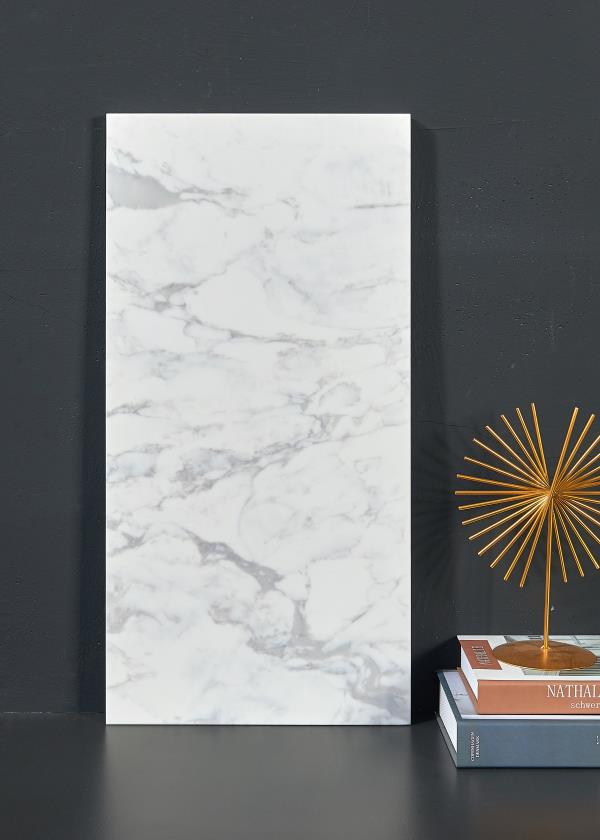
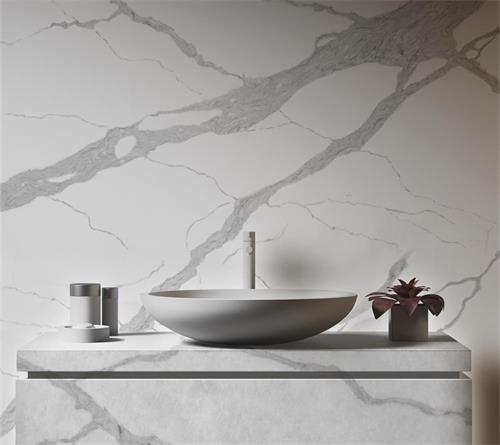
Engineered quartz: Available in hundreds of consistent patterns — solid colors, subtle veining, dramatic marble-look designs. Ideal for projects requiring multiple slabs with identical appearance.
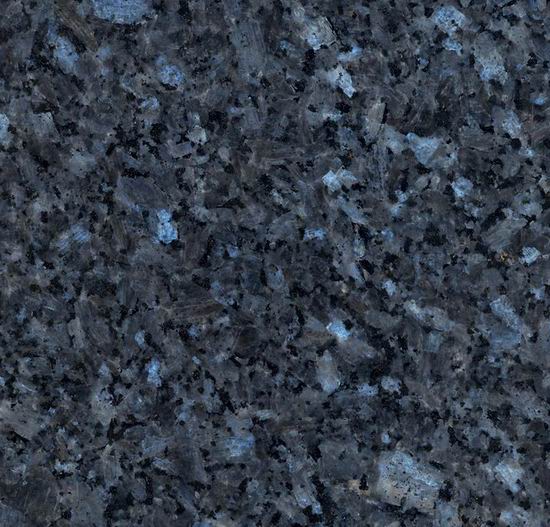
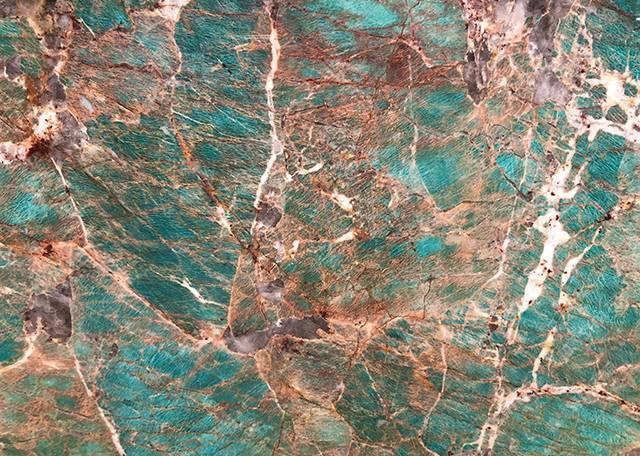
Natural granite: Each slab is unique, with mineral deposits creating one-of-a-kind patterns. Designers often select specific slabs at supplier showrooms for high-end residential projects.
For commercial projects (hotels, apartments, retail chains), engineered quartz's consistency simplifies specification and reduces installation variability across units.
Both materials have environmental trade-offs:
Engineered quartz: Uses abundant natural quartz aggregate but relies on petroleum-derived resins. However, manufacturers like YDL Stone increasingly use recycled water and low-VOC resins.
Natural granite: Requires quarrying, which has landscape impact, but contains no synthetic binders. Long service life (30+ years) offsets initial extraction impact.
GREENGUARD Gold certification, available for both materials but more common in engineered quartz, verifies low chemical emissions for indoor air quality.
Installed costs vary by region, edge profile, and project complexity. For 2026:
Engineered quartz: $50–$100 per square foot installed in the U.S.; lower in Asian and Middle Eastern markets.
Natural granite: $45–$120 per square foot installed, with exotic granites (Blue Bahia, Van Gogh) reaching $200+.
Quartz typically offers 10–15% lower lifetime cost when factoring in sealing products and maintenance time.
| Project type | Recommended material |
|---|---|
| High-end residential kitchen | Natural granite or premium quartz |
| Rental property / apartment | Engineered quartz (low maintenance) |
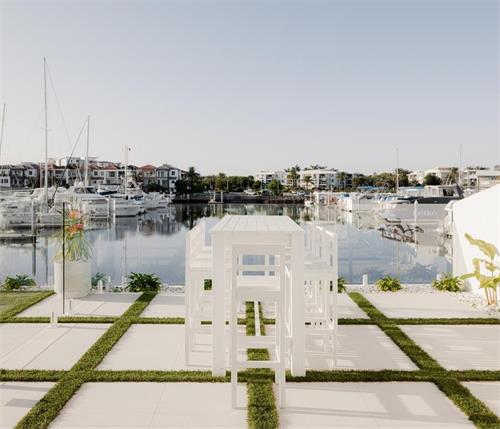
| Outdoor kitchen | Natural granite |
| Commercial kitchen | Engineered quartz (NSF certified) |
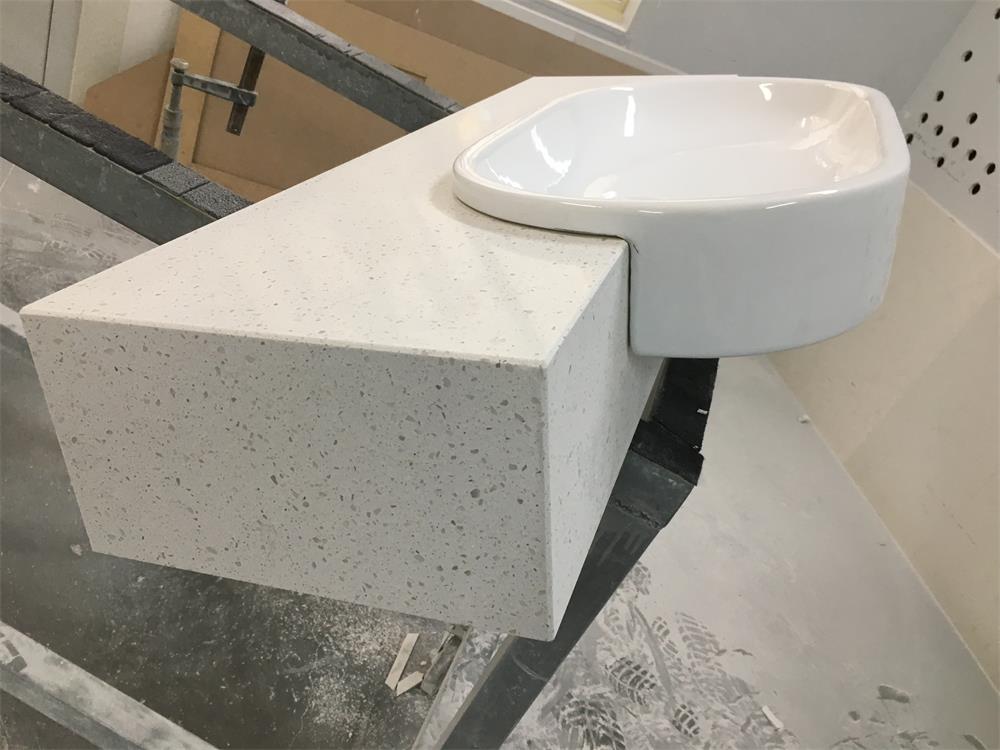
| Bathroom vanity | Engineered quartz (moisture resistance) |
| Healthcare facility | Engineered quartz (hygiene + low emissions) |
| Hotel chain (multi-site) | Engineered quartz (consistency) |
Is engineered quartz cheaper than granite? In most markets, mid-range quartz and granite are similarly priced. Quartz offers lower lifetime maintenance costs.
Can you put hot pans on quartz? Quartz tolerates brief contact with hot pans up to 150°C (300°F), but prolonged heat exposure can cause discoloration. Trivets are recommended.
Does granite stain less than quartz? Sealed granite resists most stains, but quartz is non-porous and inherently stain-resistant without sealing.
Which is better for resale value? Both materials appeal to buyers. Granite is associated with luxury natural materials; quartz is associated with modern, low-maintenance design.
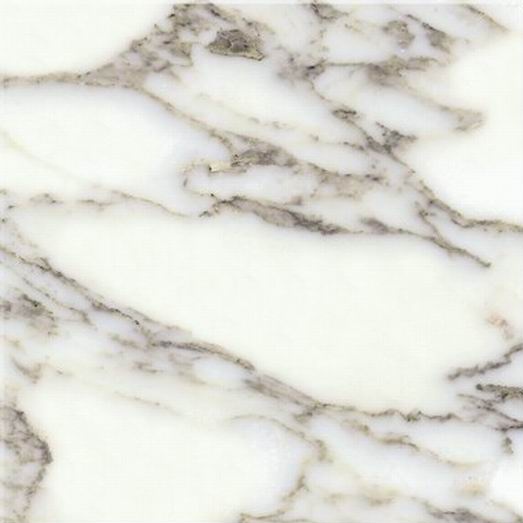
Can engineered quartz look like granite? Yes. Modern quartz designs replicate granite patterns, though fine mineral detail still differs from natural stone.
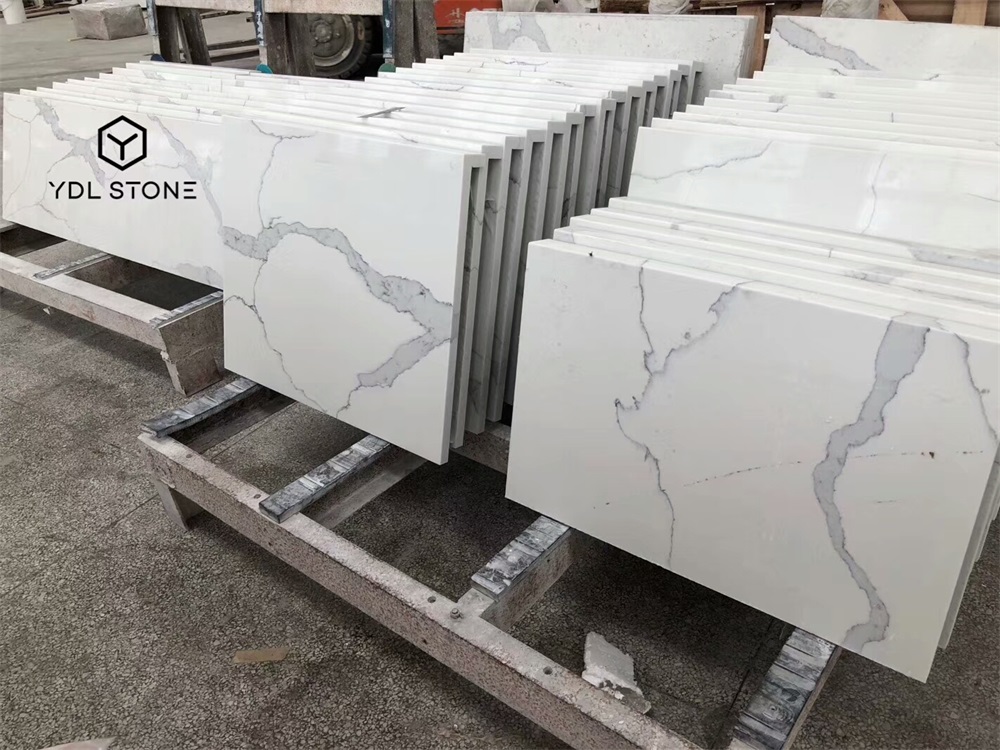
YDL Stone supplies both engineered quartz slabs and natural granite (including monuments-grade granite) from its Xiamen manufacturing base. For projects specifying both materials, integrated sourcing reduces logistics complexity and ensures consistent quality control.
Contact our export team for technical specifications, sample requests, and quotation support across both product lines.