









Engineered quartz manufacturers typically organize their product lines into color series based on visual pattern characteristics. Understanding these series helps buyers navigate product catalogs and select patterns appropriate for specific design applications. This guide explains the main series, their visual properties, and ideal applications.
Most engineered quartz manufacturers, including YDL Stone, organize products into three primary visual categories:
Solid, uniform color throughout the slab — no veining, no pattern variation beyond subtle mineral flecks in some formulations.
Two-tone patterns with subtle contrast — typically a base color with secondary tones or fine particle variations creating visual depth.
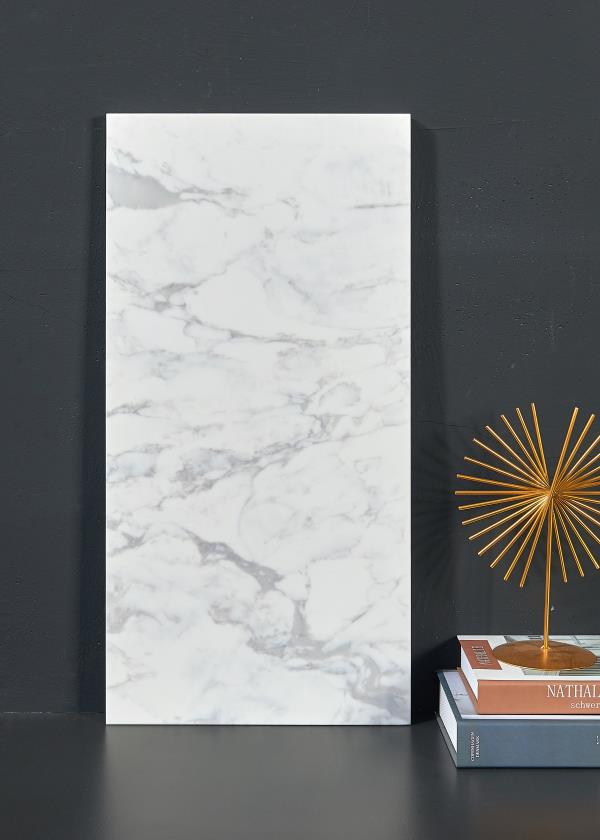
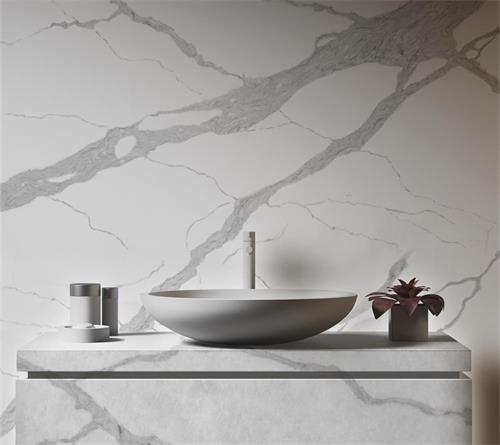
Patterns with distinct veining that mimics natural marble — ranging from delicate hairlines to bold dramatic sweeps.
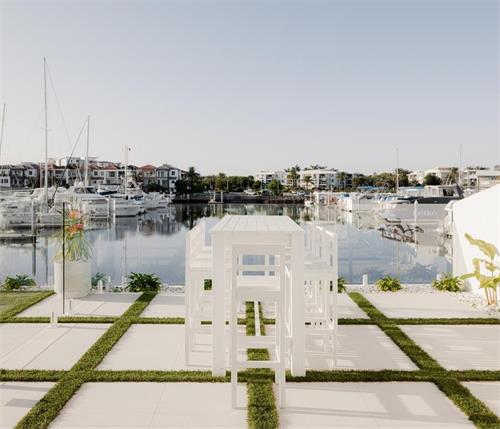
The single color series delivers uniform, consistent color throughout each slab. Common colors include pure whites, creams, greys, blacks, beiges, and browns.
Consistent color across the entire slab
Minimal variation between production batches
No directional pattern (rotational consistency)
Clean, minimalist aesthetic
Modern minimalist kitchens
Contemporary bathroom vanities
Commercial projects requiring color consistency
Healthcare and educational facilities
High-contrast designs with bold cabinetry
Versatility: Complements any cabinet or backsplash color
Consistency: Multiple slabs appear identical, ideal for large installations
Modern aesthetic: Aligns with current minimalist trends
Easy coordination: Simple to match with other materials
Visual monotony: Can appear flat without pattern interest
Shows imperfections: Minor surface variations more visible
Limited visual impact: Less dramatic than vein patterns
Pure white: Maximum brightness, modern aesthetic
Light grey: Versatile neutral, hides minor marks
Warm beige: Family-friendly, hides daily use
Charcoal black: Dramatic statement surface
Cream: Warm, traditional feeling
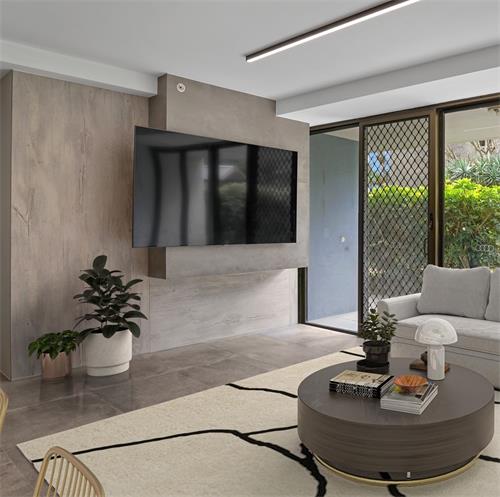
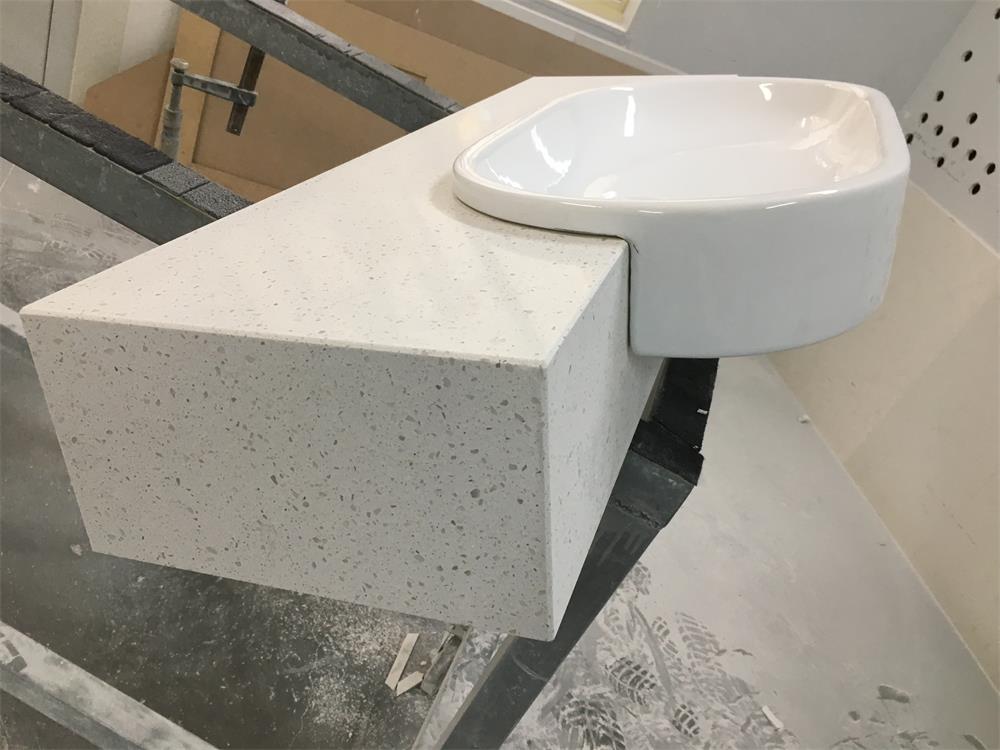
The dual color series introduces visual interest through fine particle variations, subtle tonal shifts, or layered neutral tones — without the dramatic veining of natural marble.
Base color with secondary tone variations
Fine particle distribution creating texture
Subtle movement across the slab surface
More visual interest than single color, less than vein patterns
Transitional kitchen designs
Modern farmhouse aesthetics
Projects wanting neutral sophistication
Commercial reception areas
Bathroom vanity tops with depth
Visual depth: More interesting than flat single color
Hides marks: Variations camouflage minor stains and crumbs
Broad appeal: Works with most design styles
Versatile: Bridges traditional and contemporary
Pattern direction: Some have subtle directionality to consider
Color matching: Multiple slabs require selection for consistency
Less distinctive: Doesn't make strong visual statements
Warm grey with cream: Modern farmhouse staple
Beige with white flecks: Classic neutral
Grey with charcoal: Sophisticated urban
Cream with gold flecks: Warm luxury
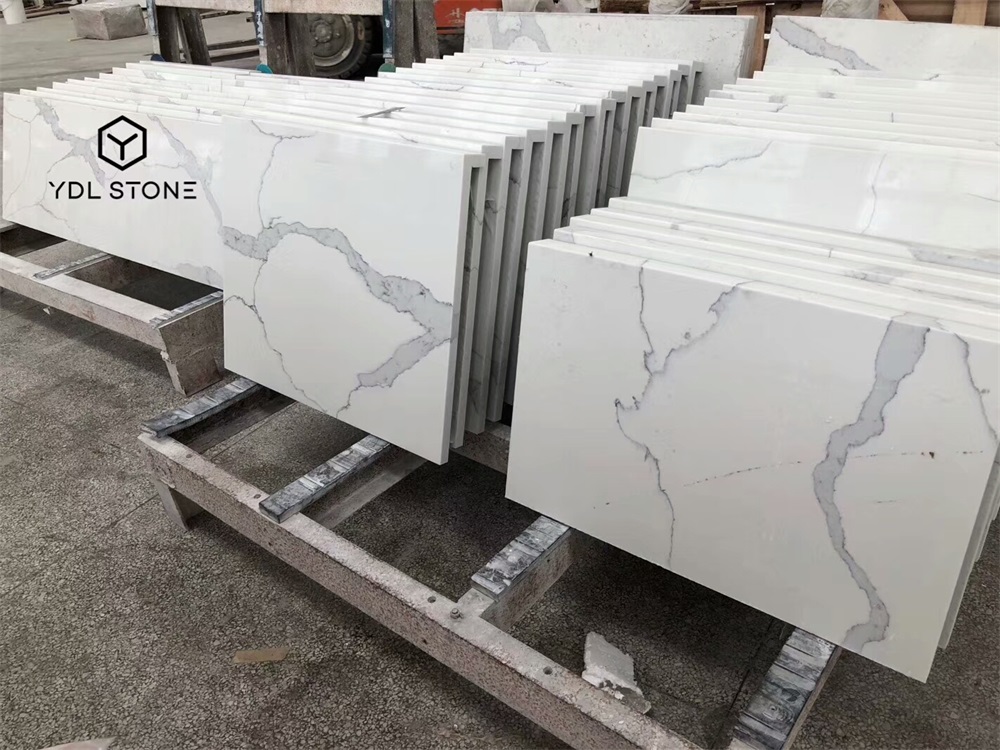
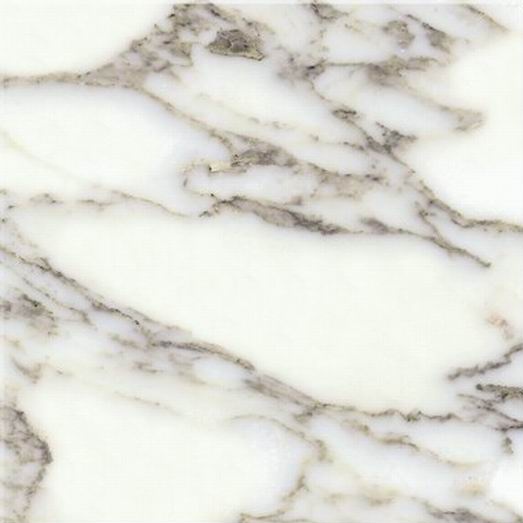
Thin vein series provides marble-look aesthetics with delicate, refined veining. The patterns mimic the subtle veining found in high-end natural marbles like Carrara or Statuario.
Fine, delicate veining throughout the slab
Subtle pattern movement
Veins typically 1–3mm wide
Marble-like appearance without natural stone variation
Modern kitchens with subtle marble aesthetics
Bathroom feature walls
Island countertops as statement pieces
Hospitality reception desks
Backsplashes requiring pattern interest
Marble aesthetic: Luxury appearance without natural stone maintenance
Subtle sophistication: Adds visual interest without dominating
Pattern consistency: Engineered pattern is repeatable
Versatile: Works in both modern and traditional designs
Direction matters: Pattern flow should align with layout
Seam visibility: Seams may be more apparent than in solid colors
Color consistency: Variations between slabs require selection
White with grey veins: Carrara-inspired
Cream with gold veins: Warm marble aesthetic
Light grey with white veins: Subtle sophisticated
Thick vein series provides bold, dramatic veining that mimics exotic marbles like Calacatta or Arabescato. Veins are typically 5–15mm wide with strong directional flow.
Bold, dramatic veining patterns
Distinctive pattern flow and direction
Veins typically 5–15mm wide
Strong focal point aesthetic
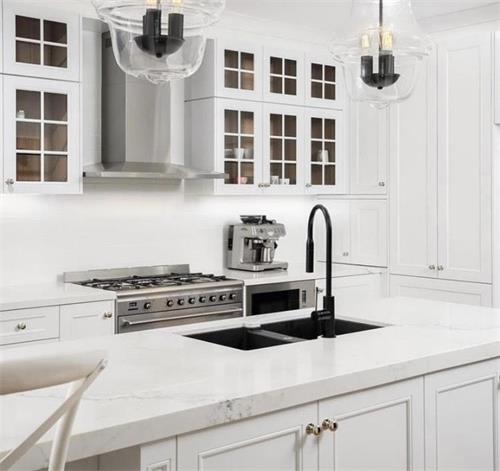
Statement kitchen islands
Feature walls in luxury bathrooms
Reception desks and bar tops
Book-matched installations
Waterfall edge islands
Maximum visual impact: Creates dramatic focal point
Book-matching potential: Symmetrical patterns from a single slab
Luxury aesthetic: Replicates exotic marble appearances
Differentiation: Distinctive from competitors
Pattern direction: Strong directional flow must align with layout
Slab selection required: Each slab is unique — view before fabrication
Higher cost: Premium patterns command premium pricing
Seam visibility: Seams require careful planning
White with bold grey veins: Calacatta-inspired
White with gold veins: Calacatta Gold aesthetic
Dramatic dark veins: Arabescato-inspired
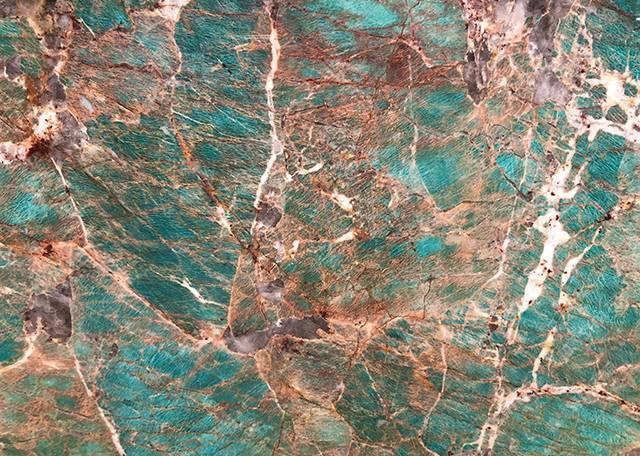
Multi-color veins: Exotic marble look
Single color or dual color work well
Pattern direction less critical
Consistency simplifies specification
Single color ideal for consistency
Dual color requires slab-to-slab matching
Vein patterns require careful layout planning
Thick vein creates maximum impact
Book-matching produces symmetrical effects
Plan pattern flow with island layout
Dual color or thin vein provides balanced visual interest
Avoid overly bold patterns in compact kitchens
Consider how patterns flow at corners and seams
Beyond the three main categories, many manufacturers offer specialized products:
Sparkle/Mica Series: Added glass or mica particles for shimmer effect — popular in contemporary designs.
Industrial Series: Concrete-look patterns for modern industrial aesthetics.
Nature-Inspired Series: Patterns mimicking wood, leather, or fabric textures.
Limited Editions: Small-batch patterns with distinctive aesthetics.
YDL Stone's catalog includes these specialized series alongside the standard single, dual, and vein categories, providing design options for any project.
Engineered quartz patterns may have directional flow that affects installation:
| Pattern type | Directionality | Installation consideration |
|---|---|---|
| Single color | None | Any orientation |
| Dual color | Minimal | Minor adjustment possible |
| Thin vein | Subtle | Plan flow direction |
| Thick vein | Strong | Critical for visual impact |
For vein patterns, always: 1. Discuss pattern direction with fabricator before cutting 2. Plan seam locations to maintain visual flow 3. Consider book-matching for symmetrical effects 4. Verify pattern orientation during installation
For projects considering resale value:
Most resale-friendly: Single color white/grey, subtle dual colors, light thin veins
Moderate resale appeal: Bold dual colors, mid-tone patterns
Resale risk: Strong colors, very dramatic patterns, specialty series
National Association of Realtors research consistently shows neutral countertop colors support broader buyer appeal and higher resale values.
Some projects mix series for visual interest:
Single color perimeter + thick vein island: Classic combination
Thin vein backsplash + single color countertop: Subtle variation
Dual color main + single color secondary surfaces: Coordinated depth
When combining series: 1. Verify color compatibility before final selection 2. Plan transitions at logical points (cabinet breaks, height changes) 3. Maintain consistent gloss level across surfaces 4. Use the same fabricator for consistent edge profiles
Which quartz color series is most popular? Single color whites and greys remain the most universally specified, with vein patterns growing rapidly in luxury markets.
Can different color series be used in the same kitchen? Yes, but coordination is critical. The most common combination is a single color perimeter with a vein pattern island.
Which series looks most like marble? Thick vein series most closely mimics dramatic marble patterns. Thin vein provides subtler marble aesthetics.
Do all series have the same price? Pricing varies by series — single colors are typically most economical, while exotic thick vein patterns command premium pricing.
Which series is best for commercial projects? Single color and dual color are most common in commercial applications for consistency and broad appeal.
How do I choose between thin and thick vein? Thin vein provides subtle pattern interest suited to most designs. Thick vein creates dramatic focal points for statement islands and feature walls.
For designers, contractors, and homeowners evaluating quartz color options, physical sample evaluation is essential. YDL Stone provides organized sample packs covering single color, dual color, thin vein, thick vein, and special series engineered quartz.
Request color series samples or contact our design team for project-specific recommendations.