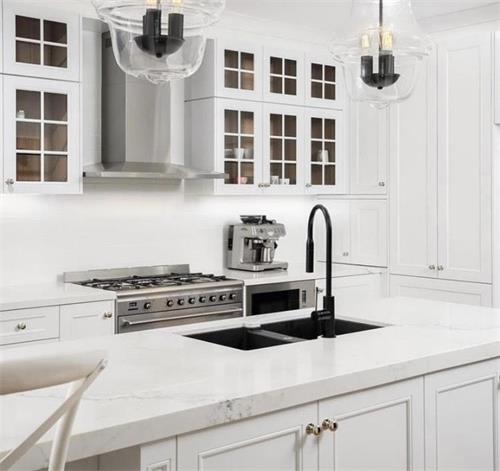
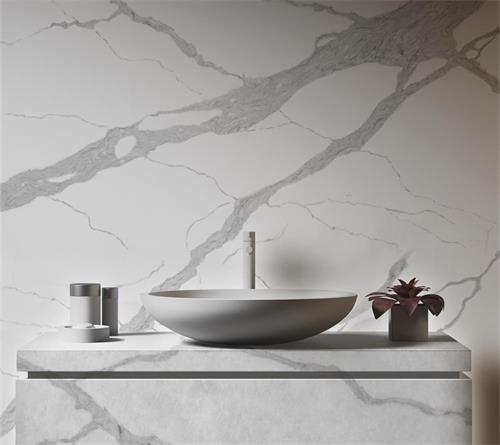
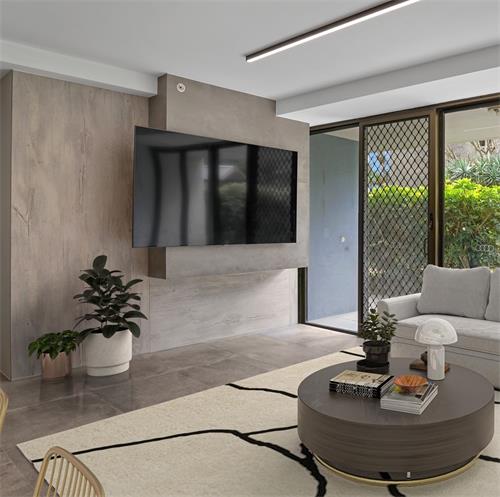
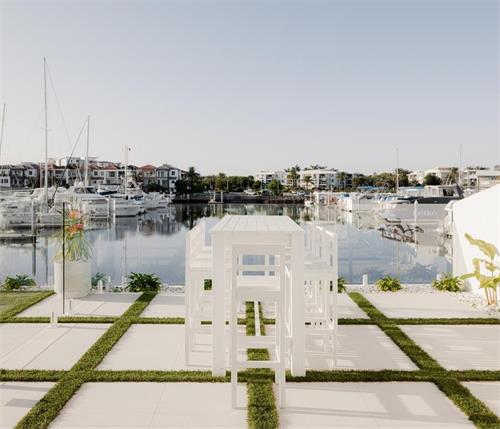
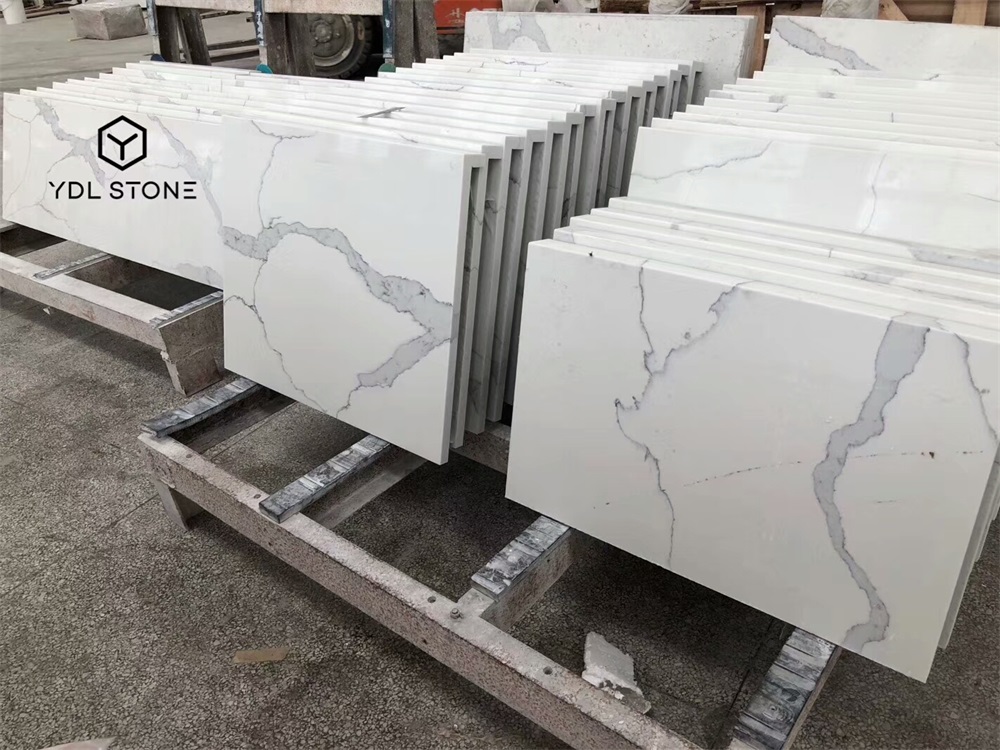

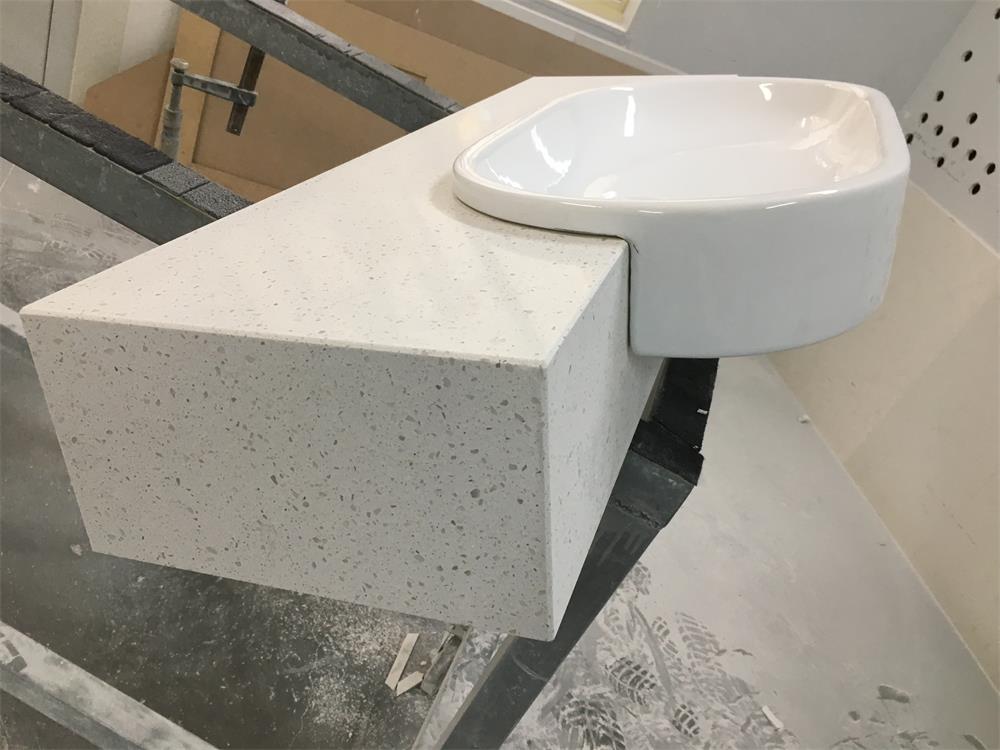
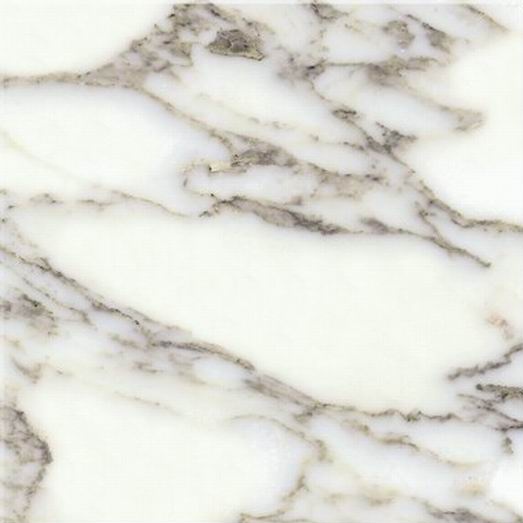
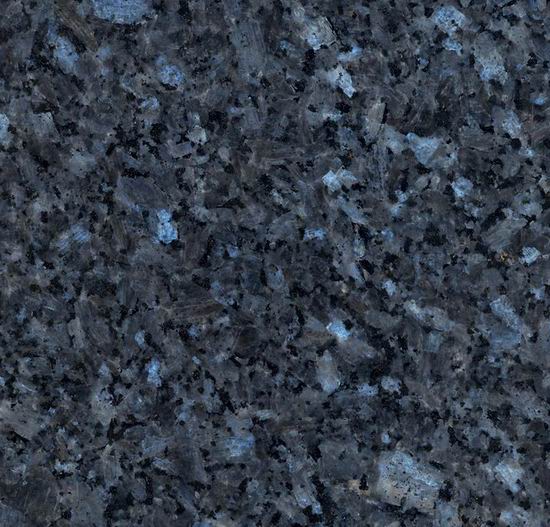
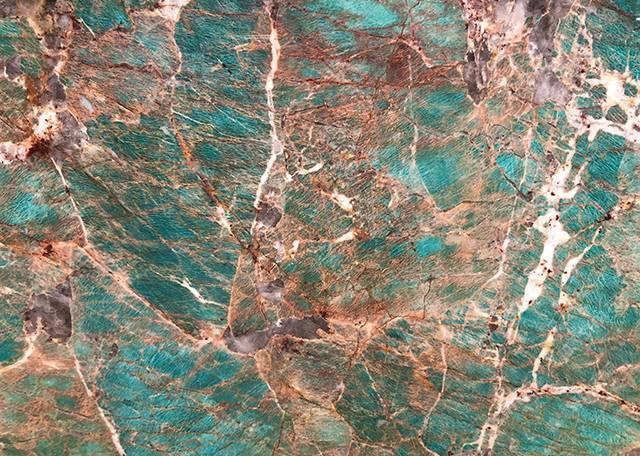






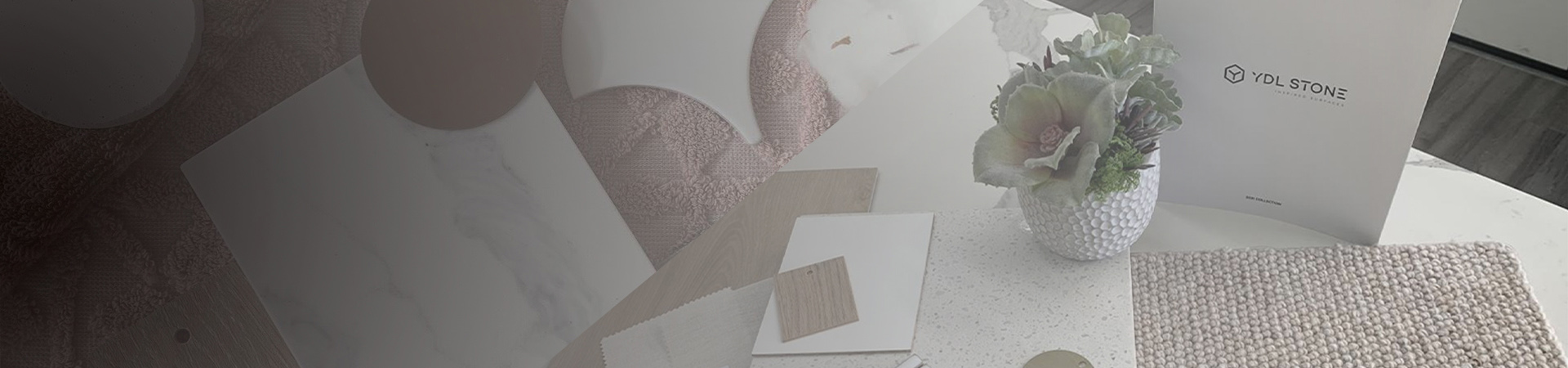



Marble has been the symbol of luxury kitchens for centuries, but quartz has become the practical choice for modern homeowners who want marble aesthetics without the maintenance commitment. This comparison examines both materials to help you decide which suits your kitchen and lifestyle.
Choose quartz if you want marble aesthetics with minimal maintenance, food safety certification, and consistent appearance across multiple slabs.
Choose marble if you prioritize authentic natural stone, accept patina development, and want a material that ages with character over decades.
| Factor | Quartz | Marble |
|---|---|---|
| Composition | 90–95% quartz + resins | 100% natural metamorphosed limestone |
| Mohs hardness | 6–7 | 3–5 |
| Porosity | Non-porous | Porous |
| Sealing required | Never | Every 6–12 months |
| Stain resistance | Excellent | Moderate (requires sealing) |
| Acid sensitivity | None | High (etches immediately) |
| Heat resistance | 150°C / 300°F short term | Excellent (no resin) |
| Pattern consistency | Very high | Unique per slab |
| Food safety certification | NSF/ANSI 51 available | Rare |
| Maintenance effort | Low | Moderate–High |
| Lifespan | 25+ years | 30+ years with care |
| Cost (USD/sq ft installed) | $50–$100 | $60–$250+ |
Natural marble features:
Veining patterns: Mineral impurities create flowing lines through the stone
Color range: From pure white (Statuario, Calacatta) to dramatic black (Nero Marquina)
Unique slabs: Each piece is one-of-a-kind with geological history visible
Aging patina: Develops a worn, lived-in character over years of use
Light interaction: Translucent qualities allow light to penetrate slightly into the surface
Engineered quartz mimicking marble features:
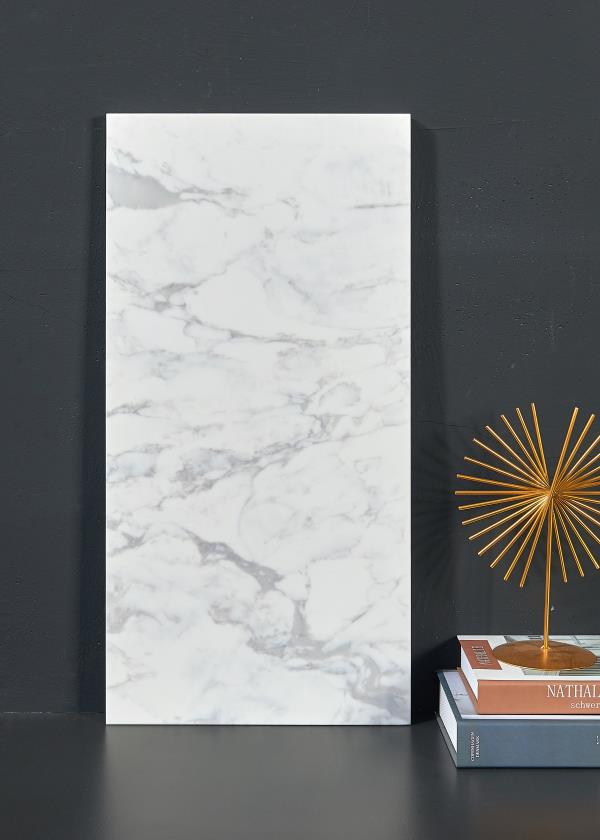
Engineered patterns: Programmatically designed veining that mimics natural marble
Color consistency: Calibrated palettes allow matching across multiple slabs
Pattern selection: Choose from hundreds of marble-look patterns
Stable appearance: No patina development — maintains original look indefinitely
Surface uniformity: Consistent finish throughout the slab
Sealing: Initial sealing upon installation, then every 6–12 months
Daily wipe: After each use to prevent acid damage
Etching prevention: Immediate cleanup of acidic spills (lemon, vinegar, wine)
Stain treatment: Poultice applications for stubborn stains
Annual inspection: Check seal integrity and reseal as needed
Sealing: Never required
Daily wipe: Mild soap and water is sufficient
Spill response: Routine cleanup, no special urgency for most substances
Stain treatment: Rarely needed; most marks wipe away
Annual inspection: Mainly cosmetic; no required treatments
A 2025 Houzz survey found that 73% of marble owners wished they had known more about maintenance requirements before installation, while 89% of quartz owners rated their maintenance experience as "easy" or "very easy."
Scratches: Knives and rough use can scratch the soft surface
Chips: Edges are vulnerable to impact damage
Etching: Acid contact leaves permanent dull spots
Stains: Even sealed marble absorbs some substances over time
Heat: Tolerates hot pans better than most materials
Scratches: Highly resistant; sharp knives may dull but rarely damage the surface
Chips: More resistant than marble; edges still vulnerable to hard impact
Etching: No acid sensitivity
Stains: Non-porous surface prevents absorption
Heat: Tolerates brief contact; sustained heat can damage resin
Mid-range quartz: $50–$80 per square foot installed
Premium quartz with marble look: $80–$120 per square foot
Mid-range marble: $60–$100 per square foot installed
Premium marble (Calacatta, Statuario): $150–$250+ per square foot
Quartz total cost of ownership is typically 20–30% lower than marble due to:
No sealing products ($20–$50 every 6–12 months for marble)
No professional polishing or restoration
No replacement due to staining or etching
No special cleaners required
Quarrying impact: Landscape disturbance at extraction sites
Processing: Relatively low energy compared to engineered products
Longevity: 30+ years reduces replacement frequency
Recyclability: Can be crushed and reused as aggregate
Raw material: Uses abundant natural quartz
Processing energy: Higher than natural stone due to manufacturing
Resin content: Petroleum-based binders (though bio-based options emerging)
GREENGUARD Gold: Available for low-emission products
According to the U.S. Green Building Council, both materials can contribute to LEED certification points, though through different credit categories.
Requires experienced natural stone fabricators
Seams may be more visible due to pattern variation
Edge profiles require careful matching across slabs
Higher waste factor due to pattern selection
Standardized fabrication across most markets
Consistent seams with proper color-matched adhesive
Most edge profiles achievable
Lower waste factor for solid colors
Etching: Can be polished out professionally
Stains: Poultice treatments often successful
Cracks: Repairable by stone restoration specialists
Chips: Fillable with color-matched materials
Minor scratches: Sometimes buffed out
Stains: Rare and usually preventable
Cracks: Repairable but often visible
Chips: Fillable but the repair may be noticeable
Major damage: Section replacement typically required
Authentic natural stone is essential
You appreciate patina and aging characteristics
Maintenance commitment is acceptable
Budget allows for premium natural material
You use the kitchen lightly or for entertaining
Acid exposure is minimal (consider honed finishes)
Low maintenance is a priority
Consistent appearance across slabs matters
Food safety certification is desired
You cook frequently with acidic ingredients
You prefer marble aesthetics without marble maintenance
Commercial or rental applications
| Application | Recommended material | Reasoning |
|---|---|---|
| Primary kitchen countertop (heavy use) | Quartz | Durability, low maintenance |
| Bathroom vanity | Either | Lower use, both work |
| Baking kitchen | Marble | Cold surface, ideal for pastry |
| Rental property | Quartz | Minimal tenant maintenance |
| Statement island | Either | Both create focal points |
| Outdoor kitchen | Granite preferred | UV resistance |
| Commercial kitchen | Quartz | NSF/ANSI 51 available |
Some homeowners choose both:
Marble baking station: Small marble section for serious cooks
Quartz main countertops: Easier maintenance elsewhere
Marble bathroom: Lower acid exposure, suitable for marble
Quartz kitchen: Daily-use areas benefit from low maintenance
This approach allows marble enjoyment in appropriate applications while optimizing practicality elsewhere.
Industry experience shows:
Quartz owners typically report high satisfaction with maintenance ease
Marble owners often express love-hate relationships with the patina development
Replacement of marble with quartz in renovations is a growing trend
New construction in the U.S. favors quartz approximately 4:1 over marble
Does quartz really look like marble? Modern quartz patterns closely replicate marble aesthetics, including Calacatta and Carrara looks. Side-by-side comparison reveals subtle differences in light interaction and veining depth.
Is marble bad for kitchens? Marble isn't bad, but it requires more maintenance than quartz. For heavy-use kitchens, quartz is more practical.
Can I get marble-look quartz that looks authentic? Yes. Premium marble-look quartz products use advanced printing and pattern technology to create realistic veining and color variation.
Which is better for resale? Both support resale value. Quartz appeals to a broader buyer pool due to lower maintenance concerns.
Does marble stain less than people think? Properly sealed marble resists most stains, but the ongoing sealing requirement catches many homeowners off-guard.
Why is some marble so expensive? Premium marble varieties (Calacatta, Statuario, exotic stones) are rarer and require more careful quarrying, increasing cost.
For homeowners and designers evaluating marble and quartz options, physical samples help decision-making. YDL Stone provides sample packs covering both marble-look engineered quartz and natural stone references.
Request comparison samples or schedule a consultation with our design team.