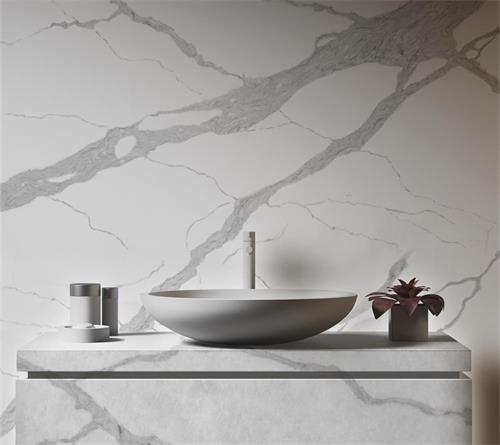
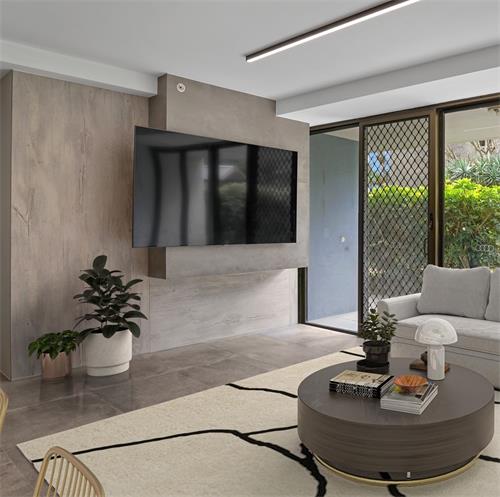
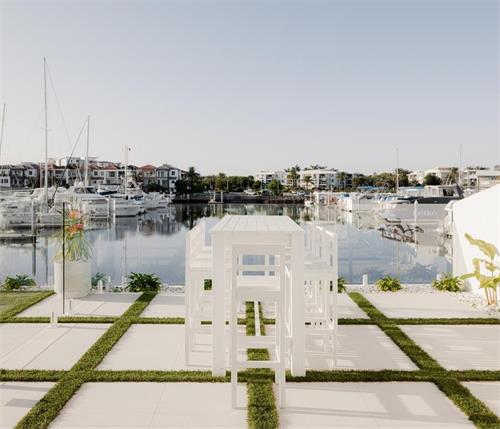
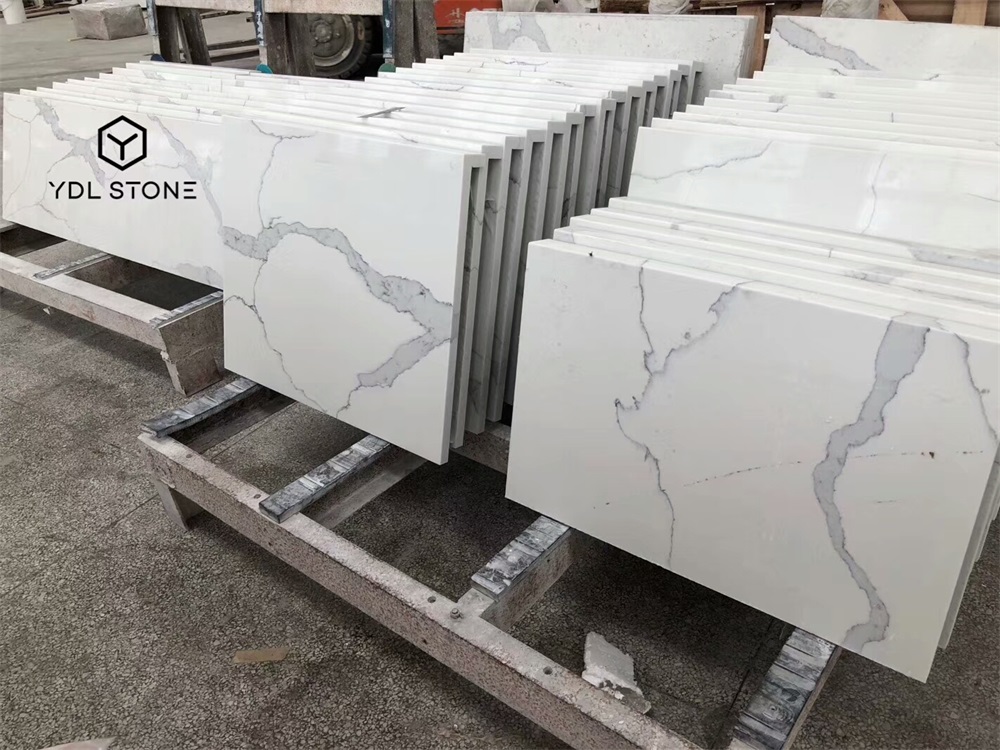

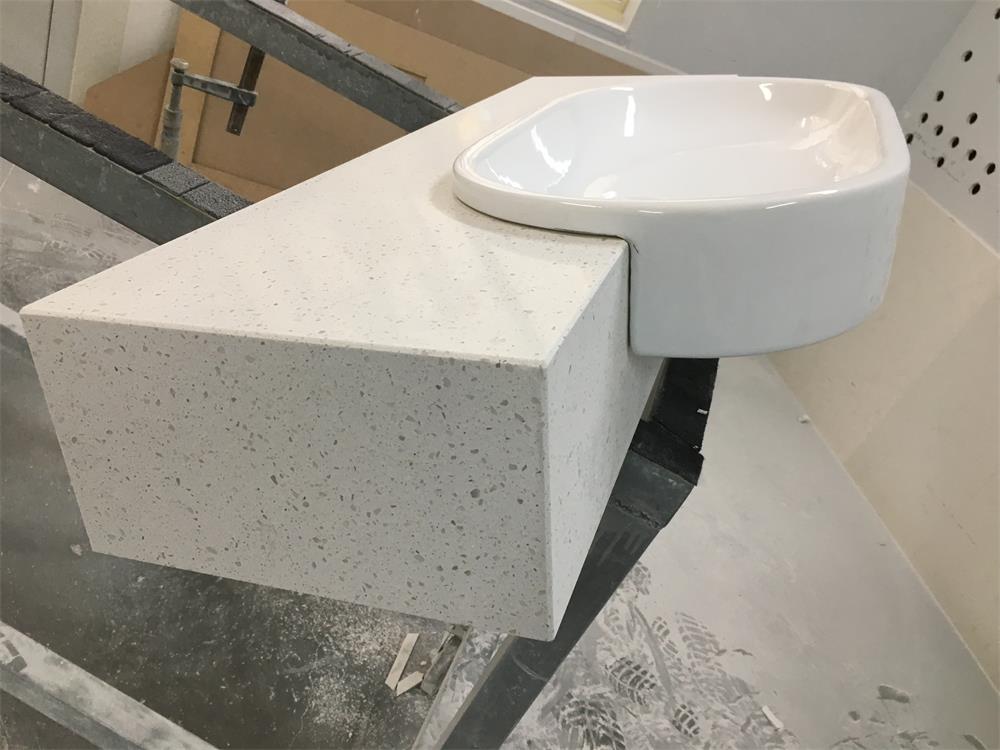
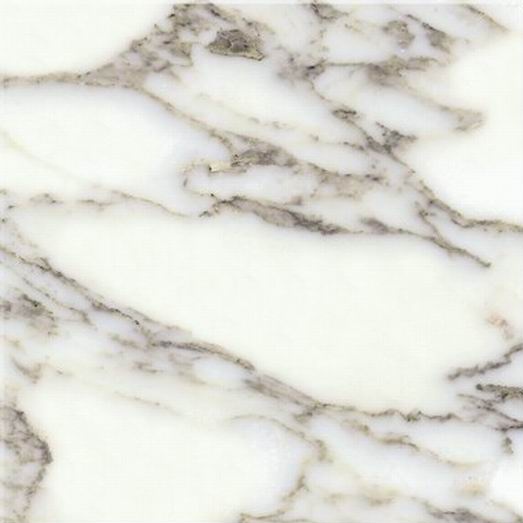
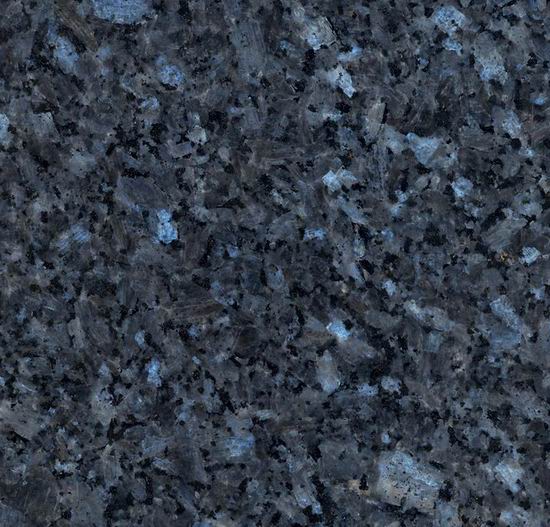
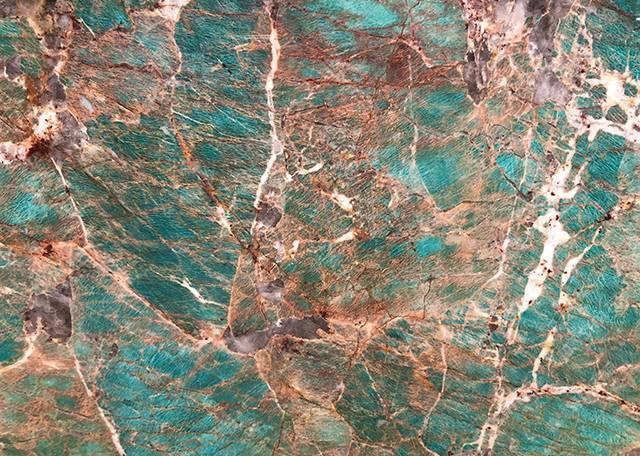









Bathroom vanity tops face different conditions than kitchen counters. Moisture exposure, cosmetic products, and styling requirements create unique material considerations. Comparing quartz and natural stone options helps you select the best surface for bathroom applications.
Vanity tops must withstand:
Water exposure: Splashes, spills, and humidity
Cosmetic products: Makeup, hair products, soaps
Cleaning frequency: Regular cleaning needed
Aesthetic priorities: Often more decorative than kitchen
Limited counter space: Used for display and function
Variable usage: Powder rooms vs primary bathrooms
Performance in bathrooms:
Water resistance: Excellent (non-porous surface)
Stain resistance: Excellent (no sealing required)
Hygiene: Very good (no bacterial harborage)
Maintenance: Low
Aesthetic variety: Hundreds of color and pattern options
Lifespan: 25+ years
Best for:
Primary bathrooms with high use
Master bathrooms with double vanities
Modern bathroom designs
Households prioritizing low maintenance
Considerations:
Resin content limits outdoor use
Some patterns may show water spots
Dark colors show dust more readily
Performance in bathrooms:
Water resistance: Moderate (requires sealing)
Stain resistance: Moderate (sealing helps)
Hygiene: Good (with proper sealing)
Maintenance: High
Aesthetic variety: Natural variation, classic appearance
Lifespan: 30+ years with care
Best for:
Traditional and classic bathroom designs
Powder rooms (low use)
Homeowners appreciating natural patina
Luxury aesthetic priority
Considerations:
Etching from acidic products (perfume, toothpaste)
Requires regular sealing
Higher maintenance commitment
Performance in bathrooms:
Water resistance: Good (with sealing)
Stain resistance: Good (with sealing)
Hygiene: Good (with sealing)
Maintenance: Moderate
Aesthetic variety: Many colors and patterns
Lifespan: 30+ years
Best for:
High-use bathrooms
Families with children
Traditional and transitional designs
Buyers seeking natural stone durability
Considerations:
Sealing required every 1–2 years
Color selection more limited than quartz
Some granites more porous than others
Performance in bathrooms:
Water resistance: Very good (with sealing)
Stain resistance: Very good (with sealing)
Hygiene: Very good (with sealing)
Maintenance: Low to moderate
Aesthetic variety: Marble-like patterns, granite-like performance
Lifespan: 30+ years
Best for:
Luxury bathroom applications
Marble aesthetics with better performance
Primary bathrooms with style priorities
Considerations:
Higher cost than granite or quartz
Limited color range
Verification of true quartzite vs dolomitic marble
| Factor | Quartz | Marble | Granite | Quartzite |
|---|---|---|---|---|
| Water resistance | Excellent | Moderate | Good | Very good |
| Stain resistance | Excellent | Moderate | Good | Very good |
| Sealing required | Never | 6–12 months | 1–2 years | 1–2 years |
| Maintenance | Low | High | Moderate | Low-moderate |
| Aesthetic variety | Highest | High | Highest | Moderate |
| Lifespan | 25+ years | 30+ years | 30+ years | 30+ years |
| Cost (installed) | $50–$100/sf | $60–$200/sf | $45–$100/sf | $70–$200/sf |
Most common configuration
Single basin cutout
Wider counter area for display
Easier installation with fewer seams
Two basins, often in primary bathrooms
Plumbing considerations affect cutout placement
Symmetrical design opportunities
May require seam in wider vanities
Countertop-level installation with above-counter vessel
Minimal cutout (drain hole only)
More counter space preserved
Dramatic aesthetic with vessel focus
Sink mounted beneath countertop
Seamless counter-to-sink transition
Easier counter cleaning
Popular in modern designs
Bathroom-appropriate edge profiles:
Modern, minimalist
Safe for family bathrooms
Easiest to clean
Works with all design styles
Soft, family-friendly
Slightly traditional
Easy to clean
Good for general use
Subtle detail
Works with transitional designs
Easy to clean
Architectural interest
Ogee, triple pencil for formal bathrooms
More difficult to clean
Best for powder rooms with limited use
Vanity backsplash choices affect overall look and practicality:
Wall paint or tile continues behind vanity
Modern, minimalist aesthetic
Easier cleaning around wall
Standard residential choice
Protects wall from water splashes
Standard edge profiles work
Continues to mirror or upper limit
Dramatic aesthetic
Often uses same material as countertop
Tile, stone slab, or other material
Design contrast opportunity
Different material may need separate installation
Standard vanity sizes affect material requirements:
| Vanity size | Typical slab usage | Seam requirement |
|---|---|---|
| 24 inches | Single piece | None |
| 30 inches | Single piece | None |
| 36 inches | Single piece | None |
| 48 inches | Single piece | None |
| 60 inches | Single piece possible | Sometimes |
| 72 inches | Two pieces | Yes |
Standard slab widths of 3200mm (126 inches) accommodate most vanity tops in a single piece, while longer configurations may require seams.
Bathrooms have higher humidity than kitchens:
Quartz handles humidity well without special considerations
Natural stone requires proper sealing to prevent moisture damage
Adequate bathroom ventilation supports both materials
Bathrooms use various cleaning products:
Quartz resists most household cleaners
Natural stone requires pH-neutral cleaners
Avoid harsh chemicals on all materials
Many personal care products can damage stone:
Perfume (alcohol-based)
Hair dye
Nail polish remover
Certain skincare products with acids
Quartz resists these better than natural stone.
Curling irons and flat irons generate heat
Use heat-resistant mats on all materials
Brief contact is generally acceptable
Avoid prolonged heat on any surface
Material type and grade
Color and pattern selection
Slab size requirements
Edge profile selection
Number of cutouts (sink, faucet)
Edge profile complexity
Backsplash integration
Special features (tissue holders, etc.)
Existing vanity removal
Plumbing modifications
Wall surface preparation
Backsplash installation
Recommendation: Marble for elegance, quartz for low maintenance Use level: Low, primarily decorative Priority: Aesthetic impact
Recommendation: Quartz for durability Use level: Moderate, variable users Priority: Durability and appearance
Recommendation: Quartz for stain resistance Use level: High, with potential for damage Priority: Practicality and maintenance
Recommendation: Quartz or quartzite Use level: High daily use Priority: Performance and aesthetics
Recommendation: Premium quartz or natural stone Use level: Moderate to high Priority: Luxury aesthetic and performance
Make spaces feel larger
Show water spots more
Complement most wall colors
Common: whites, creams, light greys
Create dramatic aesthetic
Hide minor marks
May make spaces feel smaller
Common: blacks, deep greys, navy
Solid colors: Versatile, modern
Subtle patterns: Hide minor marks
Bold patterns: Statement pieces
Vein patterns: Luxury aesthetic
Cabinets must be level and structurally sound
Verify cabinet dimensions before fabrication
Account for any wall irregularities
Sink location affects plumbing rough-in
Faucet placement requires accurate drilling
Drain location affects under-sink space
Timing relative to vanity installation
Material availability and lead time
Coordination with wall finishes
Daily: Wipe with damp cloth
Weekly: Mild soap and water
Monthly: Check seams and caulking
Annually: Inspect for any issues
Daily: Wipe after use, dry surface
Weekly: pH-neutral cleaner
Monthly: Check seal integrity
Every 6–12 months: Reseal
Daily: Wipe after use
Weekly: Mild soap and water
Monthly: Check seal integrity
Every 1–2 years: Reseal
Daily: Wipe after use
Weekly: Mild soap and water
Monthly: Check seal integrity
Every 1–2 years: Reseal
Which material is best for bathroom vanity tops? Quartz is generally best for low-maintenance, high-use bathrooms. Marble is preferred for low-use powder rooms or homeowners accepting patina.
Can I use kitchen countertop materials in bathrooms? Yes, the same materials work. Bathroom considerations may favor different choices due to moisture exposure.
Should bathroom vanity tops match kitchen countertops? Not necessarily. Many homeowners choose different materials for different rooms based on usage and design priorities.
Do bathroom vanity tops need to be sealed? Engineered quartz does not. Natural stone (marble, granite, quartzite) requires periodic sealing.
How do I prevent etching on marble vanity tops? Wipe up acidic products (perfume, toothpaste, citrus-based products) immediately and use coasters under containers.
Can quartz vanity tops be used in steam showers? Standard quartz is not recommended for steam shower interiors. Engineered slabs specifically designed for wet environments are available.
For designers and homeowners selecting bathroom vanity materials, YDL Stone provides samples, specification guidance, and project consultation.
Request bathroom vanity samples or contact our design team for project-specific recommendations.