








Walk a major stone fair and two materials dominate the slab halls: sintered porcelain and engineered quartz. Both promise large formats, consistent patterns, and low maintenance. They are not interchangeable, though — each wins decisively in specific applications. If you are specifying kitchens, bathrooms, or cladding, here is the honest comparison.
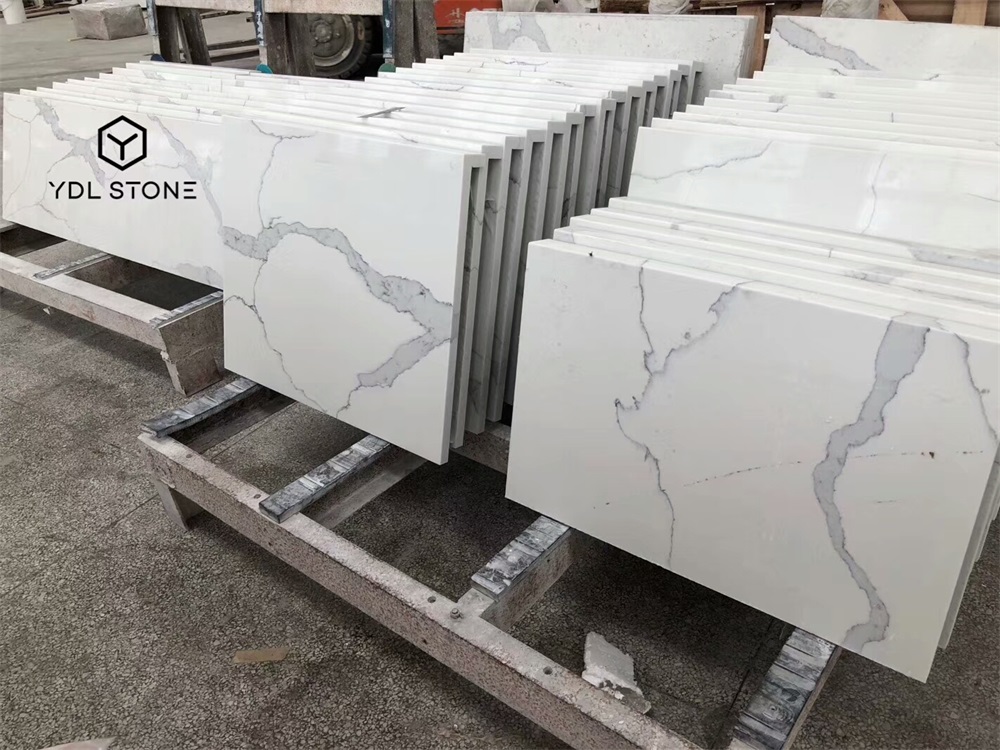
Engineered quartz: ~90-93% ground quartz mixed with polymer resins and pigments, vacuum-pressed and cured into slabs. The resin binder is the source of both its flexibility and its limits.
Sintered porcelain: Mineral powders (clay, feldspar, silica) pressed and fired at extreme temperatures until the particles vitrify into a dense, glass-ceramic-like sheet. No organic resin involved.
| Property | Engineered Quartz | Porcelain Slab |
|---|---|---|
| Heat resistance | Moderate (resin scorch risk) | Excellent (kiln-fired) |
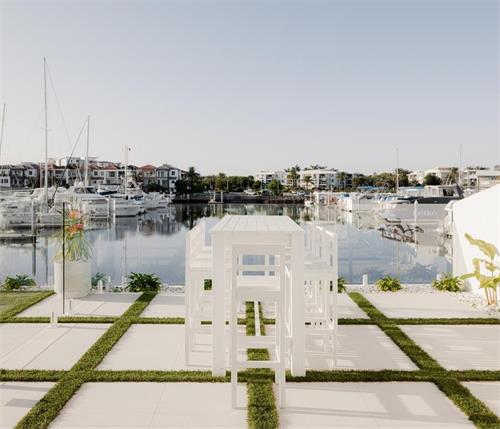
| UV stability | Poor to moderate | Excellent (indoor + outdoor) |
| Scratch resistance | High | Very high |
| Stain resistance | Excellent | Excellent |
| Edge profiles | Rich options (ogee, miter, bullnose) | Limited (thin, brittle edges) |
| Fabrication ecosystem | Mature worldwide | Specialized tools required |
| Impact tolerance | Better | More brittle |
| Weight | Heavier | Lighter per m² |
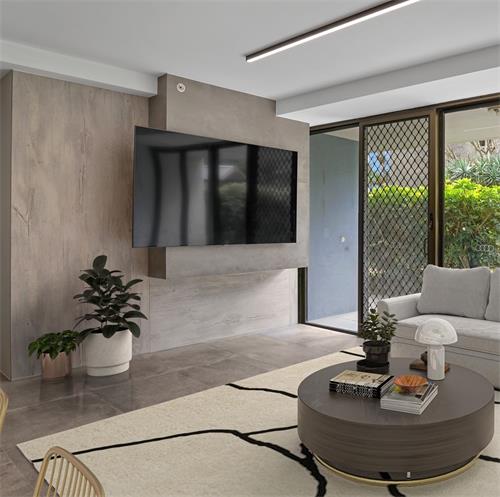
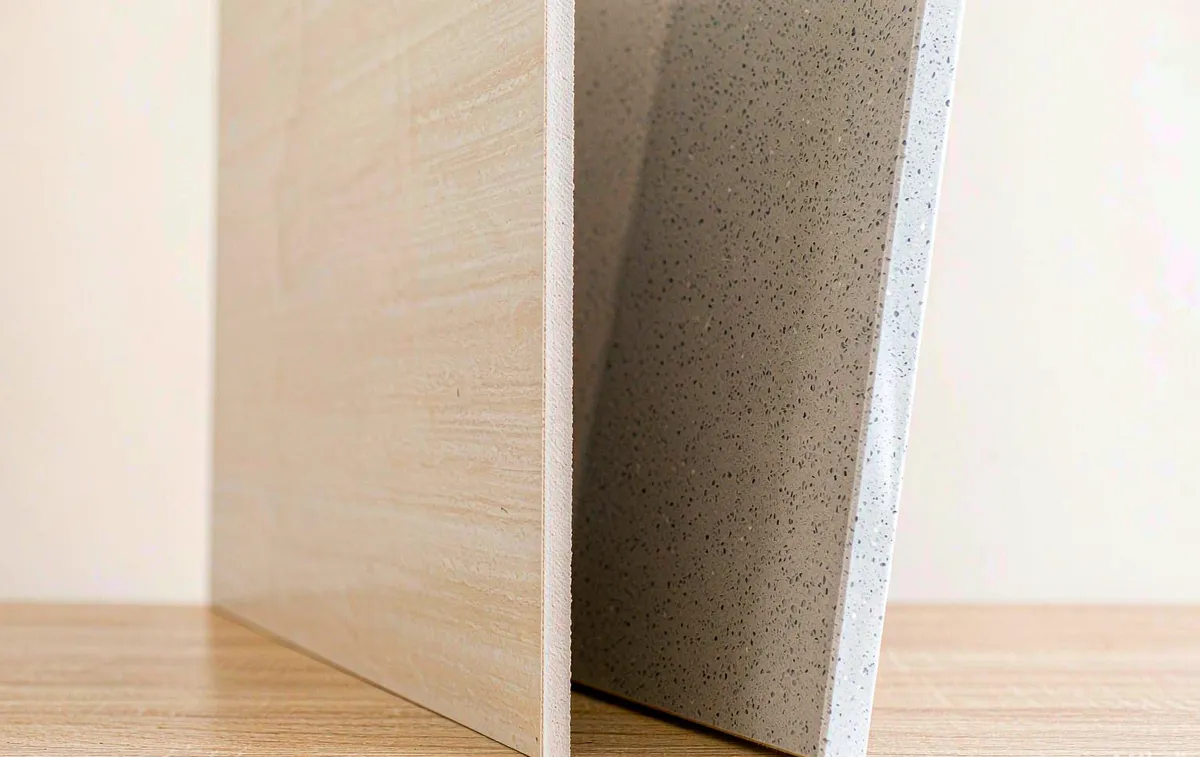
Porcelain's thin profile (typically 6-12 mm versus quartz's 15-30 mm) cuts both ways: easier walls, harder countertops. Countertop installations usually require a honeycomb or plywood substrate under thin porcelain, adding cost that narrows the price gap. Meanwhile, quartz's resin content keeps it out of full-sun applications and near-flame zones where porcelain shrugs.
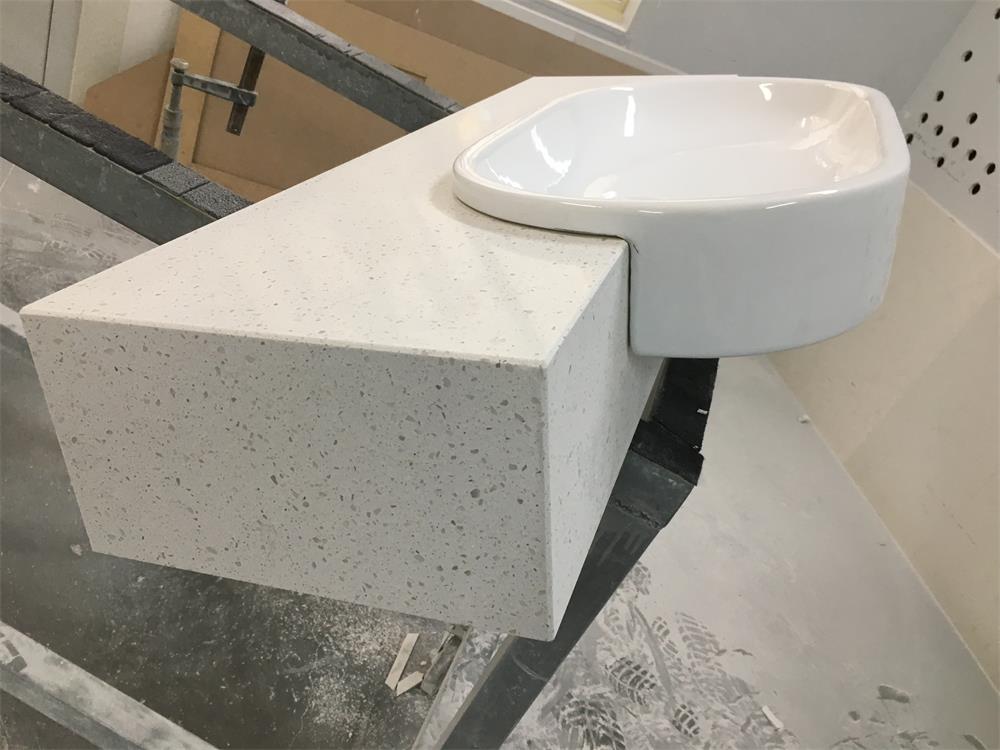
Edge detailing is the deal-breaker for many designers: a 30 mm mitered quartz waterfall has no true porcelain equivalent — porcelain mitered edges exist but demand exceptional fabrication skill.
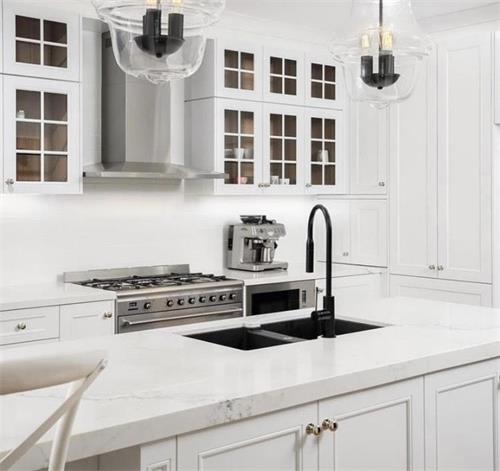
Is porcelain more expensive than quartz? Material prices overlap at mid-range; installed costs for countertops often favor quartz because of simpler fabrication, while wall cladding favors porcelain.
Can porcelain slabs crack during cutting? Yes, if cut without proper tooling and support. Choose fabricators with documented porcelain experience.
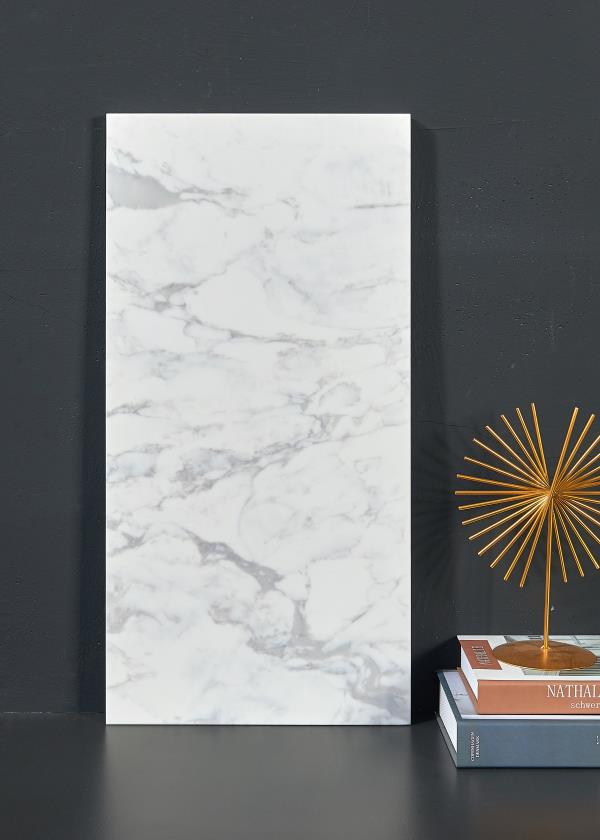
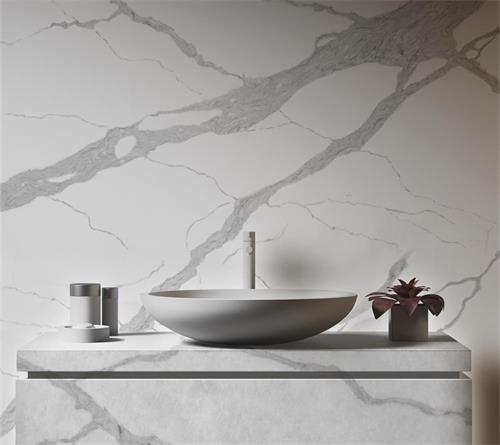
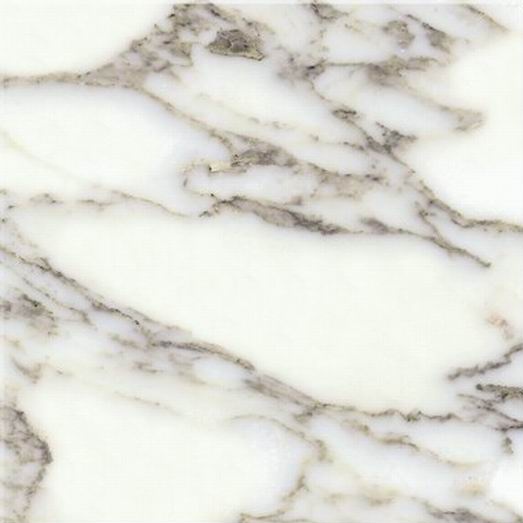
Which looks more like marble? Both convincingly. Porcelain's printed patterns achieve marble realism; premium vein-cut quartz delivers dimensional veining.
Does either need sealing? Neither — both are non-porous. That is a shared advantage over natural stone.
YDL Stone supplies engineered quartz and natural stone lines and advises on porcelain pairings for full-project material plans. Contact our team to compare materials against your specific application and budget.