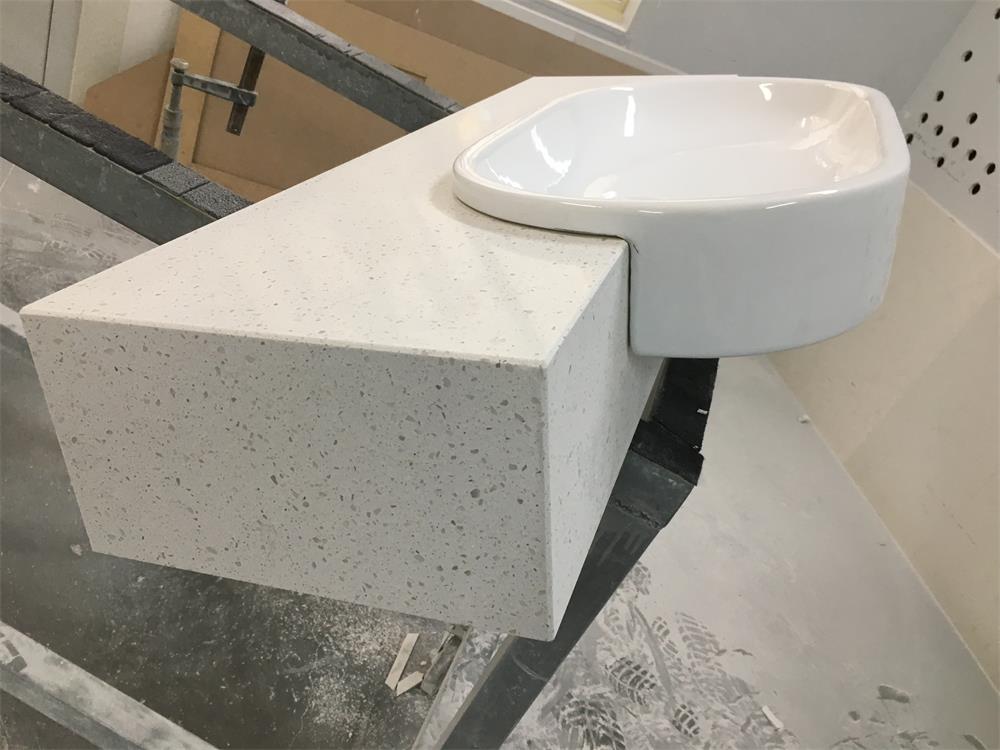









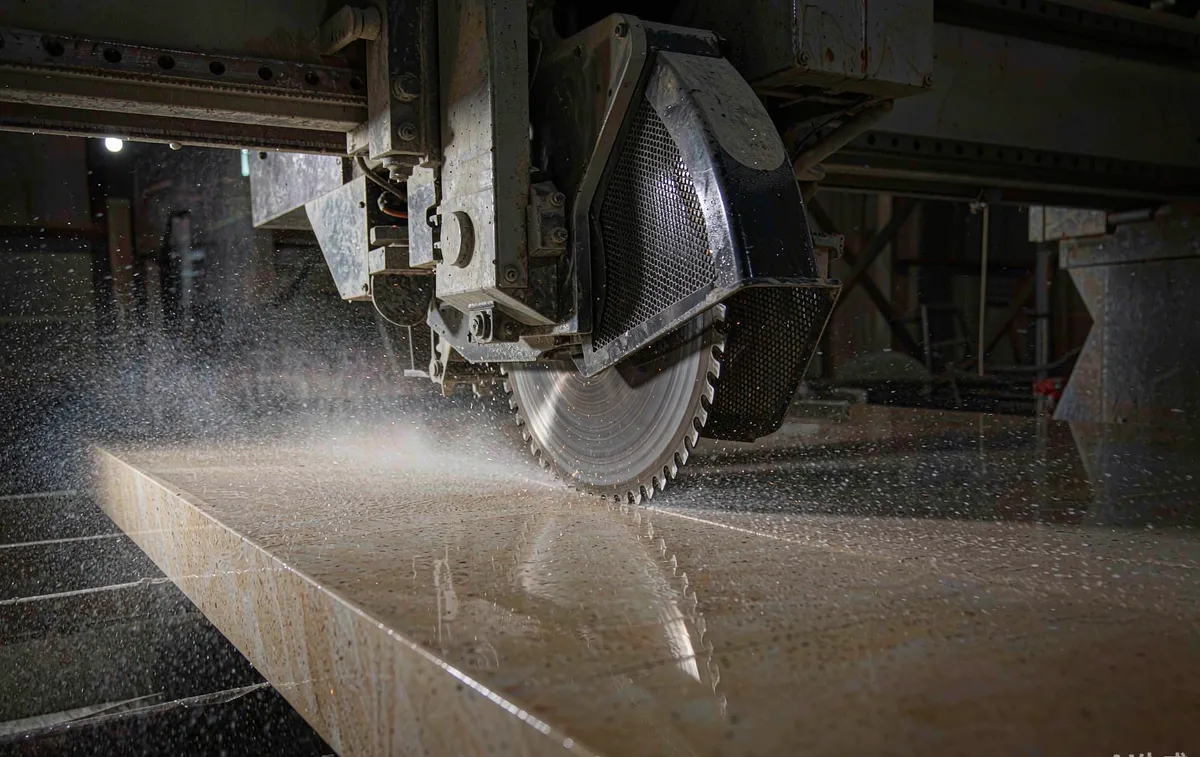
Behind every waterfall island, carved hotel reception desk, and seamless stone shower bench is a pipeline that turns drawings into millimeter-accurate stone. Modern fabrication looks nothing like the hammer-and-chisel era: CAD files drive saws, five-axis CNC routers shape edges that were impossible a decade ago, and digital templating captures site conditions to the millimeter. Here is how the process actually works — and what buyers can do to keep it fast and accurate.
Fabrication quality starts with what arrives in the file:
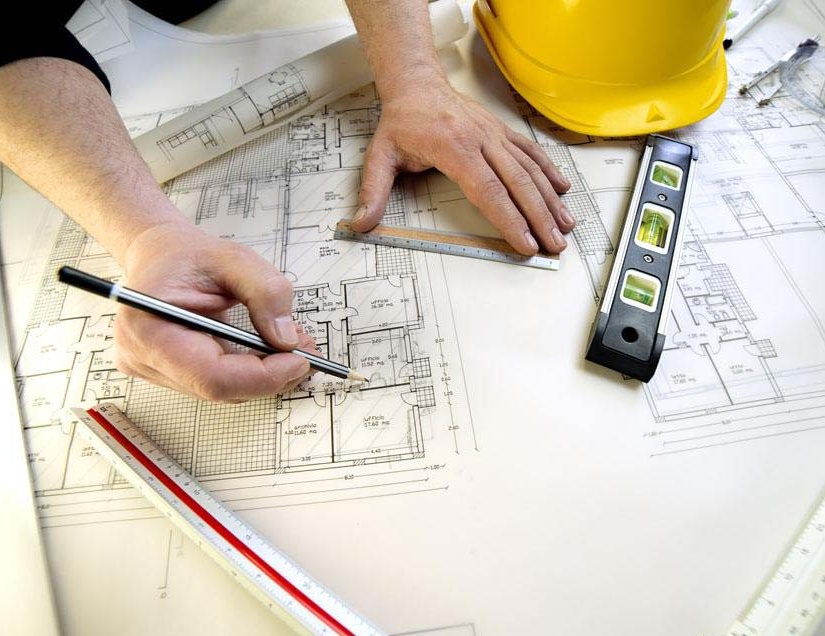
DXF, DWG, and PDF drawings all work; the critical ingredient is completeness, not software.
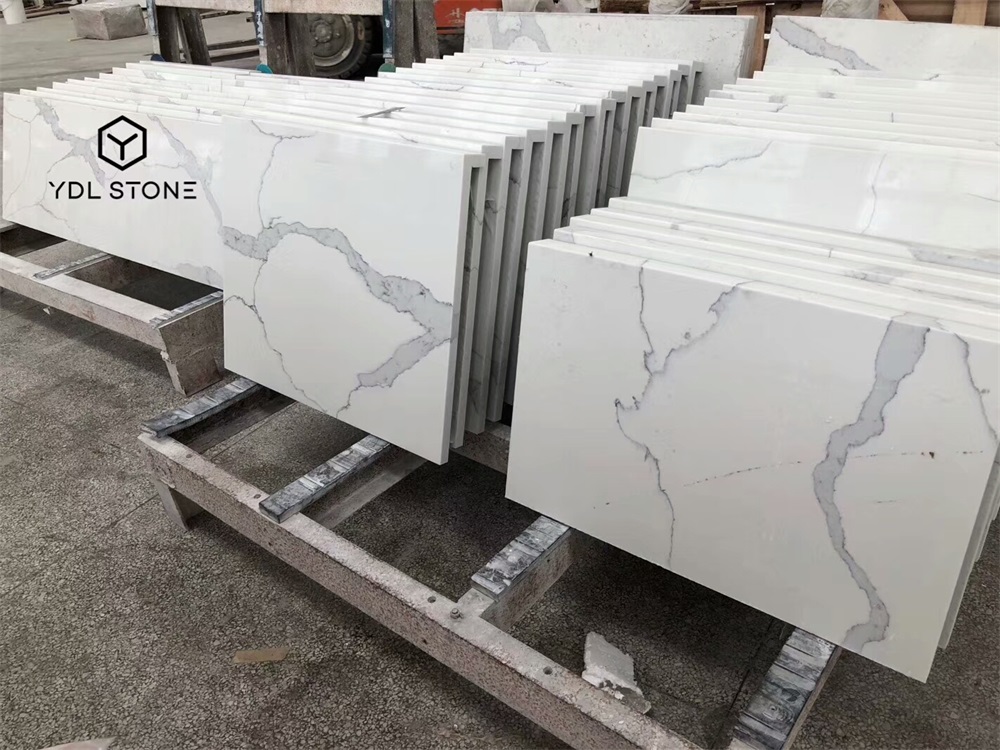
For renovations, digital templaters (laser or photogrammetry) capture the real site — walls that lean, corners that are not square — and the drawing updates to match reality. For export cut-to-size projects, slab selection comes first:
Digitally driven cutting produces repeatable accuracy: the 200th piece matches the first, which is what makes 200 identical hotel bathrooms possible.
Before packing, every piece is checked against the drawing:
Pieces are then crated with face protection and corner guards, with cut-to-size sets packed in installation order where practical.
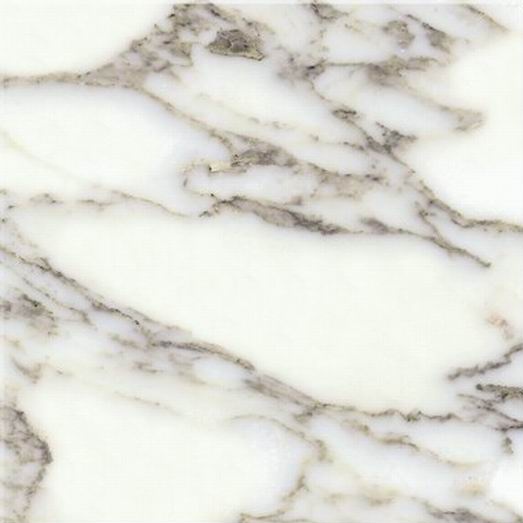
1. Complete drawings with dimensions, edges, and cutouts — or approve the fabricator's shop drawings quickly 2. The actual sink, cooktop, and faucet models (or their installation templates) 3. Approved control samples for color and finish 4. Slab approvals with lot numbers for veined or matched work 5. Realistic tolerances — stone is cut to ±1 mm, not to paper tolerances of zero
How long does custom fabrication take? Simple cut-to-size runs 1-2 weeks after slab approval; complex CNC work with matched veining runs 3-5 weeks depending on queue.
Can fabricators work from architect drawings alone? Usually they will produce shop drawings for approval first — site conditions and fabrication constraints get resolved on paper, not on site.
What tolerance should I expect? ±1 mm is standard for cut-to-size; large slabs and site-formed work vary more, which is why shop-drawing approval matters.
Is CNC fabrication more expensive? Per piece, CNC time costs more than manual work for simple pieces — but it wins decisively on accuracy, repeatability, and complex profiles.
YDL Stone provides custom cut-to-size and CNC fabrication from buyer drawings, with slab approval photos, dry-lay verification, and export-grade crating. Submit your project drawings for a fabrication quotation with lead time.