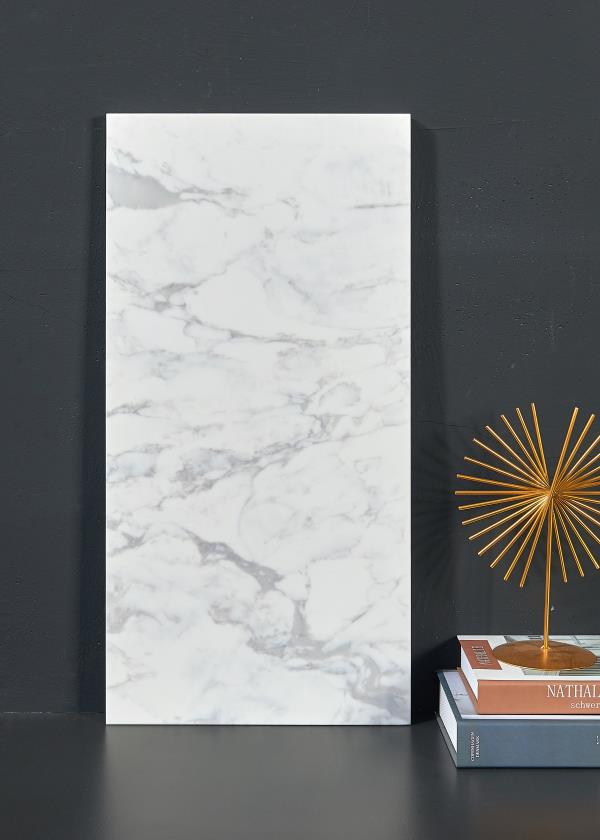
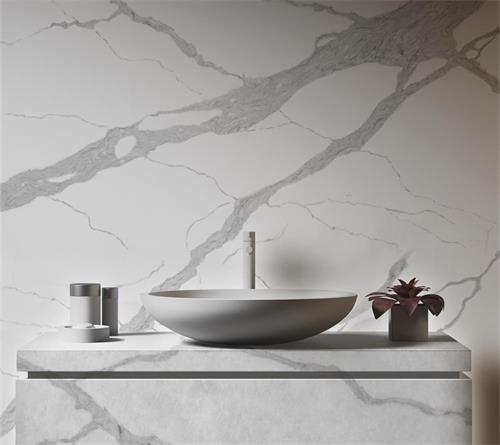
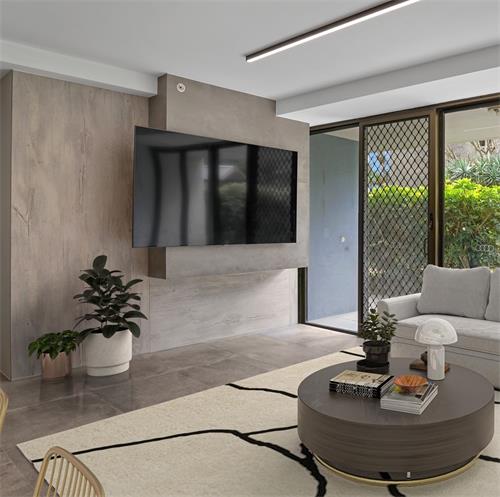
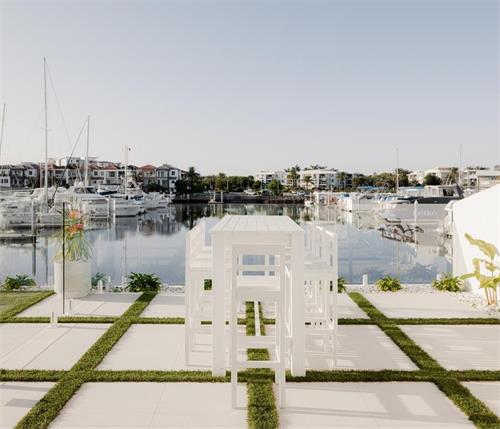
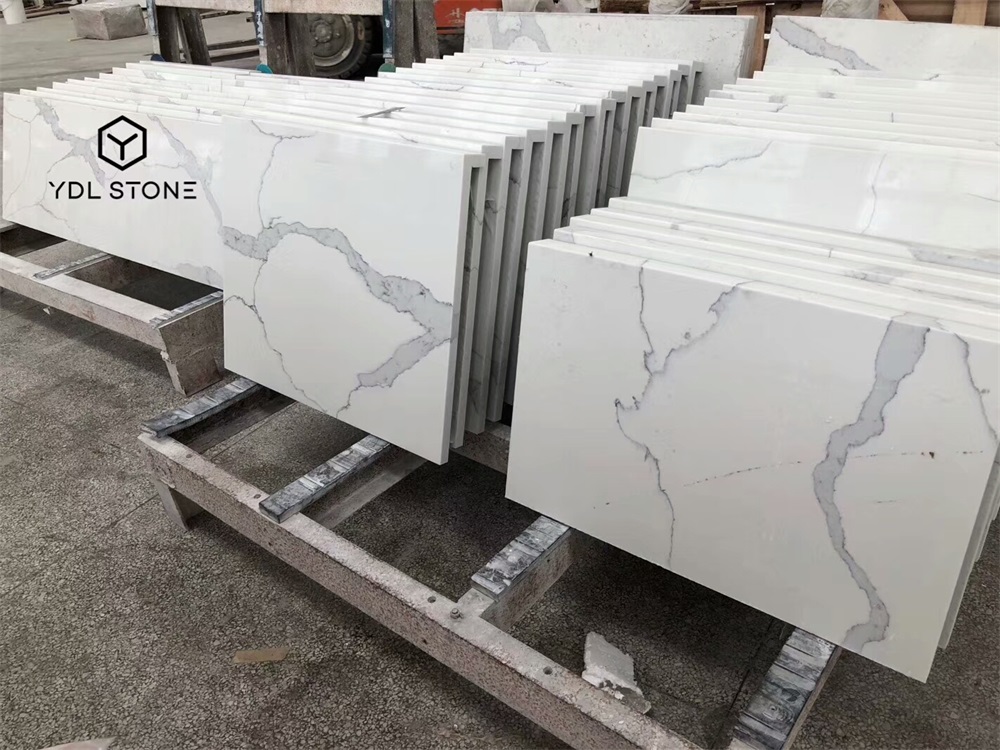









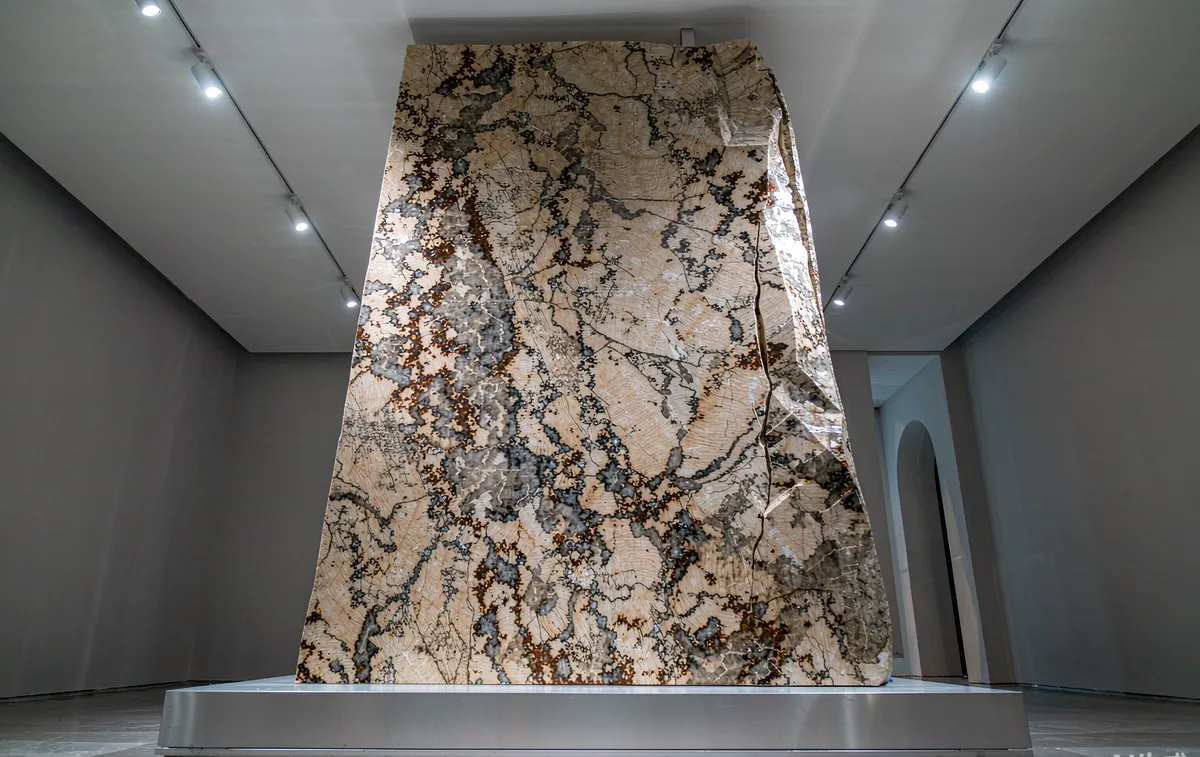
Large-format slabs — typically 3200 × 1600 mm and beyond — have moved from novelty to expectation in premium stone work. Kitchen islands without a single seam, shower walls with one continuous vein, and statement reception desks all depend on oversized slab formats. For importers and fabricators, jumbo slabs open design possibilities while introducing new handling, cutting, and logistics requirements.
| Format | Typical Size | Best For |
|---|---|---|
| Standard | ~3000 × 1400 mm | Standard countertops, small islands |
| Jumbo | ~3200 × 1600 mm | Long islands, full-height backsplashes |
| Super jumbo | 3500 × 2000 mm+ | Wall cladding, furniture, facades |
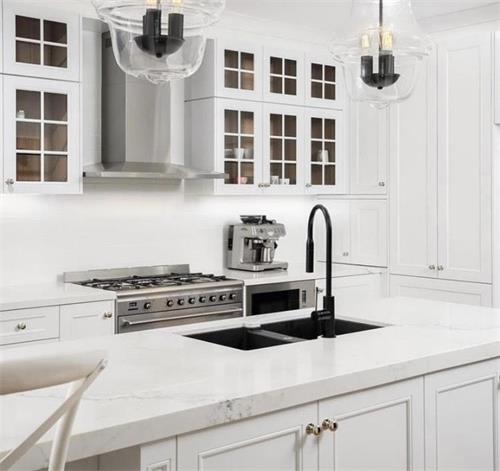
Larger slabs mean fewer joints per installation. On a 3.5-meter island, a jumbo slab can produce a single-piece top where two standard slabs would force a seam — often right through the most visible veining.
Oversized slabs demand equipment and technique that not every shop has invested in:
Importers should confirm a fabricator's handling capability before specifying jumbo formats — the material can be perfect and the installation still fail in an unprepared shop.
Single-slab islands with mitered waterfall ends have become the signature of high-end kitchen design. Jumbo formats allow veining to flow around the miter continuously.
A 1600 mm-tall jumbo slab covers standard backsplash heights without horizontal seams, letting veining run from countertop to cabinets in one piece.
One slab per wall turns a shower into a stone room. Fewer grout lines also mean less maintenance in wet areas.
Reception desks, bar tops, and elevator cores in hotels use super-jumbo slabs to deliver scale that tile and standard slabs cannot match.
1. Confirm slab availability in the exact color and batch for multi-slab projects 2. Agree the cutting layout (OPT) before sawing to protect veining flow 3. Verify crate dimensions and loading plan for your container type 4. Match the fabricator's equipment to slab weight and size
Are jumbo slabs always more expensive? Per square meter pricing is close to standard formats; the premium appears in handling, fabrication, and transport planning.
Can thin large slabs be used on walls? Yes. 12-15 mm jumbo slabs are common for wall cladding and furniture with proper substrate preparation.
Do large slabs crack more easily in transit? Not if crated and braced correctly — that is why supplier packing quality matters more with jumbo formats.
YDL Stone supplies jumbo and super-jumbo quartz and natural stone slabs with export-grade crating and container loading plans for global projects. Request current large-format inventory from our sales team.