








Engineered stone has spent two decades winning kitchens worldwide, but the silica dust generated when fabricating high-silica slabs has prompted a regulatory response that importers cannot ignore. Australia banned the supply of engineered stone with more than 1% crystalline silica from July 2024, and health authorities in other countries are reviewing similar measures. Buyers specifying quartz for Australian, European, or North American projects now need to understand silica content — and the low-silica alternatives entering the market.
Crystalline silica is the main component of standard engineered quartz — typically above 90% by weight. Cutting, grinding, and polishing these slabs releases respirable crystalline silica dust. Prolonged exposure causes silicosis, an irreversible lung disease that clusters among fabrication workers.
The direction of travel is clear: crystalline silica content in manufactured surfaces is under pressure everywhere.
Manufacturers have responded by reformulating slabs to keep the quartz look while cutting crystalline silica far below regulatory thresholds:
For buyers, the practical requirement is documentation: ask for the crystalline silica percentage by weight and the test method used, not just a "low silica" label.
1. Silica content declaration: Crystalline silica percentage by weight, with an independent test report 2. Regulatory fit: Written confirmation the product is compliant for your destination market — essential for Australia-bound projects 3. Certifications: NSF/ANSI 51 for food contact, GREENGUARD Gold for indoor air quality 4. Fabricator guidance: Recommended cutting and polishing practices for the reformulated product
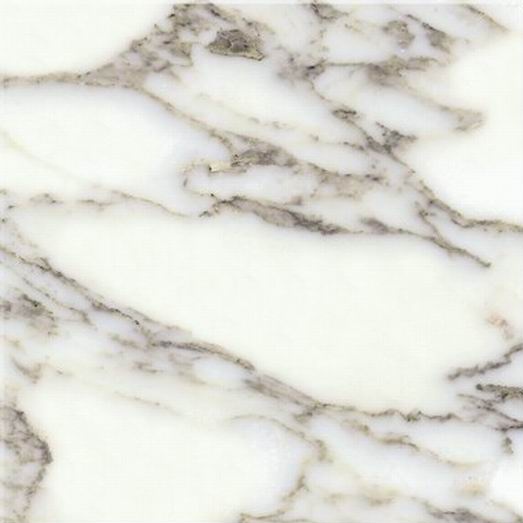
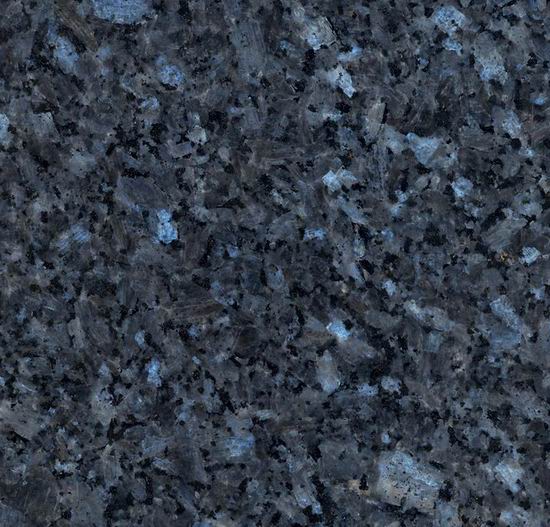
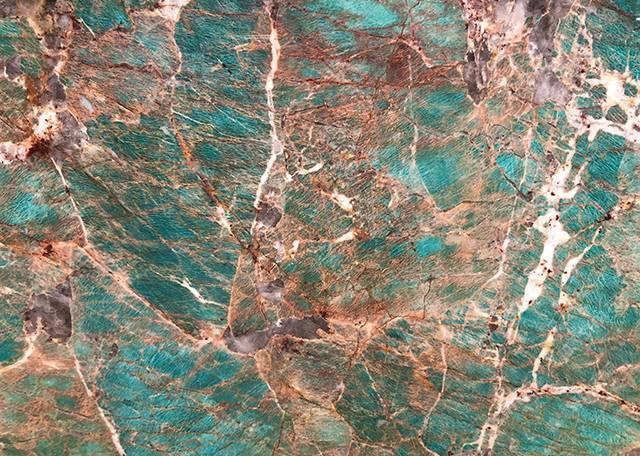
Natural granite, marble, quartzite, and travertine contain silica in varying amounts, but as solid quarried stone with no resin binder, they fall outside engineered-stone prohibitions. Fabricators still must control dust, but many markets treat natural stone under conventional workplace rules rather than the new bans.
A mixed-material specification — quartz where hygiene and color consistency matter, natural stone where heat, outdoor exposure, or regulation calls for it — is now standard practice for sophisticated buyers.
Is all quartz banned in Australia? Only engineered stone above 1% crystalline silica is prohibited. Compliant low-silica engineered products and natural stone remain legal to supply and install.
Does low-silica quartz cost more? Reformulated slabs generally carry a modest premium, though prices continue to settle as production scales.
How do I verify silica content? Request an independent laboratory report stating crystalline silica percentage by weight and the analytical method, plus supplier written compliance confirmation.
Is natural stone completely free of silica risk? No — many granites are silica-rich, and fabricators must still manage dust under workplace regulations. The bans specifically target manufactured (engineered) stone slabs.
YDL Stone supplies both certified quartz lines with full documentation and natural stone blocks/slabs for every market segment. Contact our export team for silica declarations, compliance documents, and material recommendations matched to your destination market.