








Natural stone monuments have served as cemetery memorials for thousands of years, evolving from simple markers to elaborate artistic expressions. Modern monument production combines traditional craftsmanship with precision CNC technology to create memorials that honor individual lives while withstanding decades of weather exposure.
Stone remains the preferred monument material because it offers:
Permanence: Granite monuments can last centuries with minimal degradation
Weather resistance: Properly selected stone resists freeze-thaw damage, acid rain, and UV exposure
Aesthetic versatility: From simple flat markers to elaborate sculptures
Cultural continuity: Honoring traditions across many societies
Personalization: Modern cutting allows custom shapes, engravings, and imagery
Value retention: Quality stone monuments appreciate with time
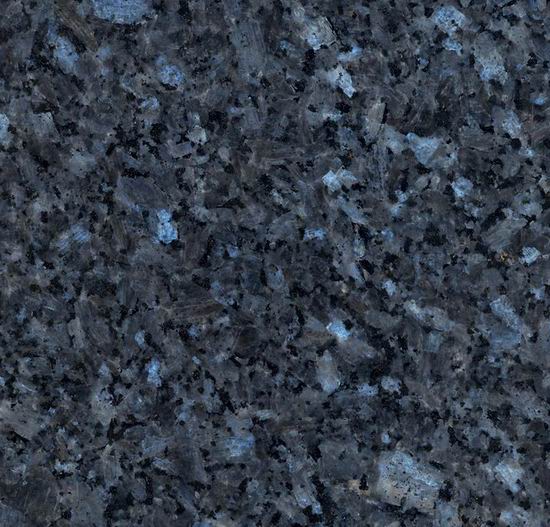
Granite dominates the monument industry because of its:
Hardness: 6–7 on Mohs scale — extremely weather resistant
Color consistency: Wide palette of greys, blacks, reds, greens, blues
Polish retention: Maintains polished finish for decades
Engraving capability: Holds detailed engravings and etchings
Low maintenance: Minimal care required over generations
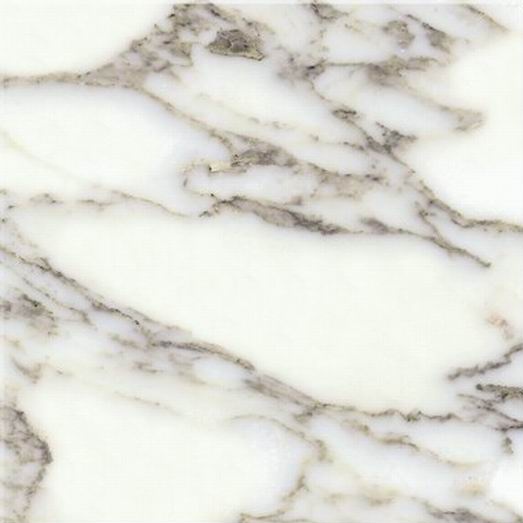
Marble has been used for monuments since antiquity:
Classic appearance: White and colored marbles signal traditional dignity
Carving ease: Softer than granite, accepts detailed sculptural work
Aging characteristics: Develops surface patina over decades
Climate limitations: Less suitable for harsh freeze-thaw environments
Cultural significance: Preferred in many European and Asian traditions
Less common but used in specific regional traditions:
Sandstone: Common in some Asian monument traditions
Quartzite: Extremely durable but harder to carve
The most common monument style in North America and Australia:
Sizes: Typically 24–48 inches tall, 4–8 inches thick
Shapes: Standard rectangle, rounded tops, shaped tops (oval, peaked, custom)
Finishes: Polished face with various edge treatments
Engravings: Names, dates, epitaphs, religious symbols
Common in many European cemeteries and American churchyards:
Sizes: 18–36 inches long, 6–12 inches deep
Flush with ground: Easier maintenance, modern cemetery preference
Granite preferred: Maximum durability for ground-level installation
Compromise between flat markers and upright monuments:
Angle: Typically 30–45 degrees
Visibility: Better than flat, less imposing than upright
Engraving area: Larger flat surface for text and imagery
Increasingly popular for cemetery parks and memorial gardens:
Memorial benches: Functional and commemorative
Cenotaphs: Memorial markers without remains
Crypt covers: Large stone markers above mausoleum burial
Premium monuments may include:
Statues: Religious or symbolic figures
Custom carvings: Family crests, landscapes, portraits
Architectural features: Columns, arches, obelisks
Modern monument production uses several technologies:
Computer Numerical Control (CNC) machines provide:
Precision: Tolerances within 0.5mm
Repeatability: Identical pieces from the same design
Complex shapes: Curves, angles, and details beyond manual capability
Engraving: Detailed text and imagery with consistent depth
Efficiency: Faster production than purely manual methods
For precision shaping:
Material thickness: Can cut slabs up to 12 inches thick
Edge quality: Smooth cuts requiring minimal finishing
Material versatility: Works with granite, marble, and quartzite
Design flexibility: Any 2D shape from digital file
For detailed text and imagery:
Detail level: Extremely fine detail possible
Depth control: Variable depth for shading effects
Photo engraving: Photographic reproduction on stone
Permanent: Engravings last centuries without fading
Traditional craftsmanship remains essential for:
Final polishing: Hand-rubbed finishes for premium work
Detail carving: Sculptural elements not achievable by machine
Restoration work: Repairing older monuments
Custom features: Unique artistic elements
Japanese monument traditions emphasize:
Granite preference: Extremely high quality standards
Family monuments: Large multi-generation family grave markers
Buddhist influences: Specific shape and engraving conventions
Memorial features: Stone lanterns, pagoda elements
Quality expectations: Among the highest globally
YDL Stone has supplied granite monuments to Japanese cemetery projects for over 15 years, with consistent quality meeting Japanese market standards.
European monument preferences vary by country:
Italy: White marble classical traditions
Germany: Granite uprights with detailed engravings
France: Both marble and granite depending on region
UK: Smaller uprights and flat markers common
Eastern Europe: Granite and marble combinations
American and Canadian preferences include:
Granite dominant: Approximately 90% of monuments
Upright markers: Traditional in many regions
Flat markers: Common in modern cemeteries
Color variety: Black, grey, red, blue, and green granites
Standardized sizes: Industry-standard dimensions
Australian monument market features:
Granite preference: Similar to North American market
Local regulations: Cemetery-specific size and style rules
Memorial parks: Many newer memorial park sections
Cultural diversity: European, Asian, and indigenous influences
Key quality factors for monument-grade stone:
Sound stone: No fractures, cracks, or geological weaknesses
Uniform composition: Consistent color and structure
Low absorption: Resistance to weathering and staining
No inclusions: Avoiding problematic mineral deposits
Thickness tolerance: Within ±2mm for monument slabs
Surface flatness: Critical for engravings and inscriptions
Edge straightness: Within ±1mm for standard pieces
Polish uniformity: No visible variations
No surface defects: Holes, pits, or scratches
Color consistency: Match between pieces from same production
ASTM C97: Absorption and specific gravity
ASTM C99: Modulus of rupture
ASTM C880: Flexural strength
Custom testing: For specific project requirements
A typical monument production flow:
1. Quarry selection: Identifying stone matching project specifications 2. Block extraction: Careful block removal to preserve sound stone 3. Block sawing: Cutting blocks into slabs of required dimensions 4. Slab inspection: Checking quality before further processing 5. CNC cutting: Shaping to design specifications 6. Engraving: Text, symbols, and imagery application 7. Hand finishing: Final polish and detail work 8. Quality inspection: Final QC before packaging 9. Crate packaging: Heavy-duty crating for international shipping 10. Shipping: Direct delivery to cemetery or monument company
Concrete foundation: Standard for permanent monuments
Footing depth: Below frost line in cold climates
Drainage: Proper base drainage prevents settling
Reinforcement: Steel reinforcement for large monuments
Pin setting: Steel pins secure upright to base
Adhesive setting: Modern epoxy or polyester adhesives
Mechanical setting: Bolts and brackets for structural pieces
Many cemeteries have specific regulations covering:
Maximum monument size
Approved materials and finishes
Installation methods
Memorial feature requirements
For monument suppliers and cemetery project managers:
Quarry to delivery: 8–16 weeks typical
Custom designs: Additional 2–4 weeks for design development
Engraving: 1–2 weeks additional for detailed work
Shipping: 2–6 weeks depending on destination
Single monuments: Minimum order 1 piece
Cemetery sections: Multiple monuments often ordered together
National accounts: Volume discounts for ongoing relationships
Standard sizes: Stock sizes available for faster delivery
Pre-shipment photos: Confirm finish and dimensions
Sample approval: For custom orders, samples before full production
Third-party inspection: Recommended for orders >$100,000
Container inspection: Verify proper crating before shipping
Freeze-thaw environments: Select low-absorption granites
Coastal regions: Salt-resistant stone
Industrial regions: Acid-resistant stone
High UV exposure: Color-fast stone
Stone longevity: Centuries of service from a single piece
Recyclable: Crushed stone has secondary uses
Local sourcing: When possible, reduces transportation impact
Efficient production: Modern CNC minimizes material waste
What stone lasts longest for monuments? Granite is the most durable monument stone, with documented examples lasting centuries with minimal degradation.
Can marble be used outdoors for monuments? Yes, but marble weathers faster than granite and may not be suitable for harsh climates with freeze-thaw cycles.
How long does it take to produce a custom monument? Typical lead time is 8–16 weeks from design approval to delivery, depending on complexity and customization.
What is the cost difference between granite and marble monuments? Granite is generally less expensive than marble, with premium exotic granites sometimes costing more than mid-range marble.
Can old monuments be replicated? Yes, modern CNC technology can replicate historic monument designs with high precision.
What is the most popular monument size? Standard upright monument sizes vary by region but typically range from 24–36 inches tall, 4–6 inches thick.
For cemetery project managers, monument retailers, and memorial industry professionals, YDL Stone provides monument-grade granite and marble with precision cutting, engraving, and finishing capabilities. The export team coordinates with cemetery projects worldwide, with particular experience serving Japanese and European markets.
Contact our monument team for project consultation, sample evaluation, and quotation support for cemetery and memorial applications.