











Stain resistance is one of the most important practical considerations when selecting a countertop material. Lab-tested data provides objective comparisons between surfaces, helping buyers choose materials that match their cooking and lifestyle requirements.
Standard stain resistance tests measure how surfaces respond to common staining agents under controlled conditions. The most referenced standard is ASTM C650, which tests stone surfaces with 10 common household substances:
Distilled water
Mineral oil
10% ammonia solution
10% citric acid solution
10% sodium hydroxide solution
5% hydrochloric acid
5% phosphoric acid
10% vinegar
Acetone
Coffee and tea
After 24-hour exposure, surfaces are evaluated for visible staining and rated on a scale.
Test result: Excellent
Engineered quartz consistently scores highest in stain resistance testing. The non-porous resin-bound surface prevents liquid absorption, allowing most staining agents to be wiped away completely even after extended exposure.
Typical test results:
Coffee/tea: No stain after 24 hours
Wine: No stain if wiped within 1 hour
Oil: No stain
Acidic substances: No etch (unlike marble)
All ASTM C650 reagents: Pass without staining
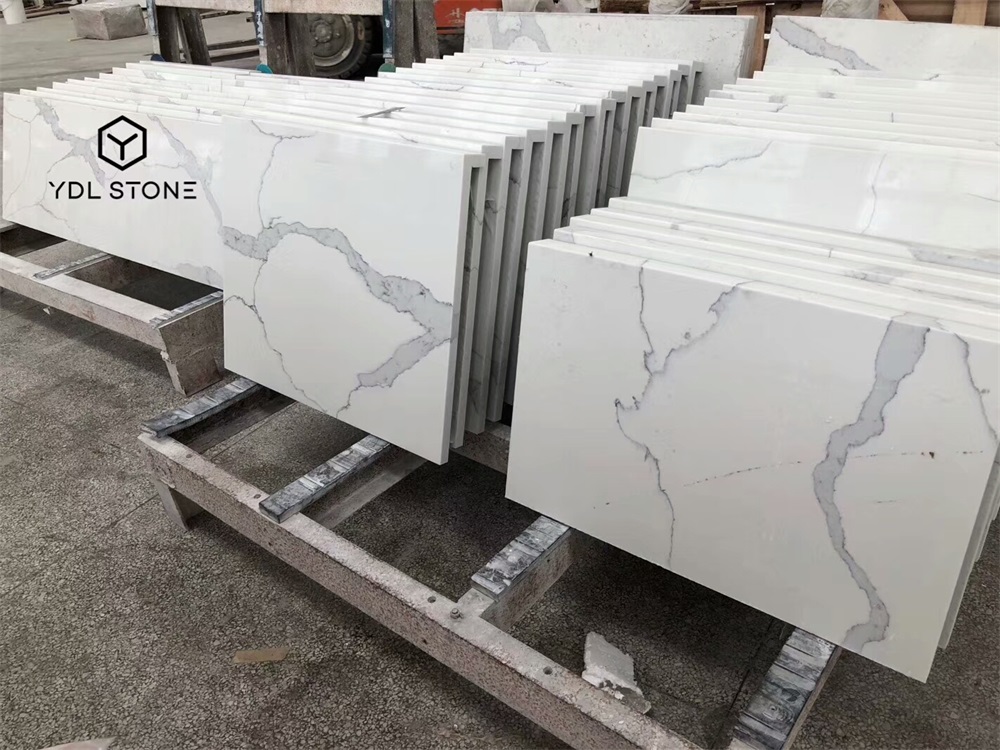
This performance is consistent across all properly manufactured quartz products, including YDL Stone's engineered quartz slabs.
Test result: Very Good
Properly sealed quartzite offers strong stain resistance due to its low porosity. The natural density of quartzite prevents most liquid absorption when sealed correctly.
Typical test results:
Coffee/tea: Minimal stain if sealed properly
Wine: Minimal if wiped within 30 minutes
Oil: May require prompt cleaning
Acidic substances: No etch (unlike marble)
Performance depends heavily on sealing quality and frequency.
Test result: Good (with proper sealing)
Granite's stain resistance varies significantly by stone type and sealing. Dense granites perform well; more porous varieties require more diligent sealing.
Typical test results:
Coffee/tea: Minimal with proper sealing
Wine: May stain if not sealed recently
Oil: Most common stain source; responds to poultice treatment
Acidic substances: Generally no etch
The Marble Institute of America recommends sealing granite every 1–2 years based on water absorption testing.
Test result: Moderate (high maintenance)
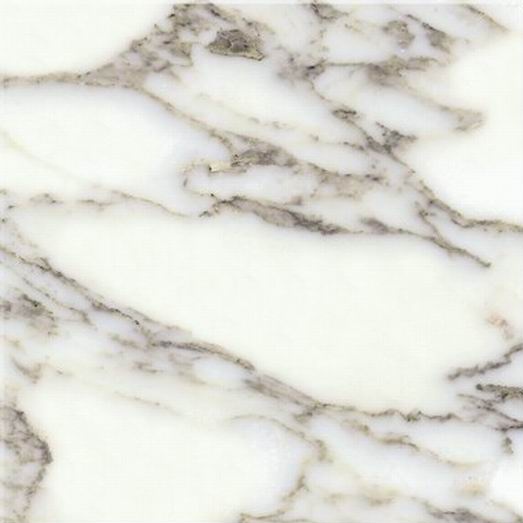
Marble's calcium carbonate composition makes it susceptible to both staining and etching from acidic substances.
Typical test results:
Coffee/tea: Stains if not cleaned promptly
Wine: Stains and etches simultaneously
Oil: Penetrates surface; difficult to remove
Acidic substances: Etches immediately on contact
Marble's aesthetic appeal comes with the highest maintenance requirement among natural stones.
| Material | Stain resistance | Etching risk | Sealing required |
|---|---|---|---|
| Engineered quartz | Excellent | None | Never |
| Quartzite | Very good | Low | Every 1–2 years |
| Granite (sealed) | Good | Very low | Every 1–2 years |
| Marble | Moderate | High | Every 6–12 months |
Different substances pose different stain risks:
1. Coffee and tea: Tannins can stain light-colored stones 2. Red wine: Both stains and can etch marble 3. Cooking oil: Penetrates porous stones over time 4. Beet juice: Strong pigmentation 5. Turmeric: Persistent yellow staining
6. Soy sauce: Dark coloring 7. Balsamic vinegar: Both staining and acidic 8. Mustard: Yellow pigmentation 9. Berries: Variable staining potential 10. Soda: Acidic and colored
11. Lemon juice: Acidic but rarely stains (etches marble) 12. Water: Generally not staining, but mineral content can leave deposits 13. Milk: Generally not staining
Wipe spills within reasonable time
Use cutting boards for food preparation
Clean oil spills promptly
Avoid prolonged contact with strong dyes
Seal on schedule
Wipe spills within 5–10 minutes
Use cutting boards and coasters
Address oil spills immediately with appropriate cleaners
Test seal integrity regularly
To test if natural stone needs resealing: 1. Sprinkle water on the surface 2. Wait 10–15 minutes 3. If water beads: seal is adequate 4. If water absorbs or darkens stone: reseal needed
Most stains wipe away with mild soap and water. For stubborn marks:
Baking soda paste (non-abrasive)
Isopropyl alcohol for ink
Quartz-safe stain remover
Treatment depends on stain type:
Oil-based stains: Poultice with baking soda or diatomaceous earth
Organic stains: Hydrogen peroxide poultice
Iron/rust: Iron-specific stone cleaner
Biological stains: Diluted bleach or hydrogen peroxide
Poultice treatment process: 1. Apply paste to stain 2. Cover with plastic wrap 3. Allow 24–48 hours 4. Remove and rinse
Even stain-resistant surfaces benefit from cutting boards for:
Food safety
Knife protection
Surface protection
Under glasses, especially:
Wine glasses
Coffee mugs
Bottles and cans
For hot items, even on heat-resistant surfaces:
Prevents thermal damage
Catches spills
Reduces cleaning frequency
The single most important habit:
Wipe food spills within 5 minutes
Don't let oil sit on stone surfaces
Clean coffee/tea splashes before drying
Different locations have different stain exposure:
Highest exposure to oils, acidic foods
Quartz or sealed granite recommended
Marble requires diligent care
Moderate exposure to coffee, wine
Quartz ideal for low maintenance
Granite acceptable with care
Exposure to cosmetics, soaps, water
Quartz ideal for moisture resistance
Marble suitable for low-use bathrooms
Wine and cocktail exposure
Quartz highly resistant
Natural stone requires maintenance
For detailed technical data on stain resistance:
ASTM C650: Standard test method for resistance of stone to chemical attack
ASTM C97: Absorption testing
Manufacturer test reports: Specific to each product
Third-party testing: SGS, Intertek reports available from suppliers
YDL Stone provides ASTM C650 testing results and complete stain resistance documentation for all engineered quartz products.
Darker quartz surfaces show:
Water spots more prominently
Dust and crumbs more visibly
Oil residues as light marks
Less visible food staining
Lighter surfaces show:
Food stains more visibly
Oil marks less prominently
Dust less visible
Water spots less visible
Solid colors: Show all stains equally
Vein patterns: Camouflage some stains
Speckled patterns: Hide minor marks best
Heavy veining: Most forgiving of daily use
While lab testing provides standardized comparisons, real-world performance depends on:
Promptness of cleanup: Lab tests use 24-hour exposure; most real spills are wiped within minutes
Frequency of sealing: Properly sealed natural stone performs much better
Surface finish: Polished surfaces resist staining better than honed
Age and condition: Older surfaces may show more staining
Which stone surface is most stain resistant? Engineered quartz consistently ranks highest in stain resistance testing.
Does sealing make natural stone as stain resistant as quartz? Sealed natural stone performs well but not at the same level as quartz's non-porous surface. Sealing requires ongoing maintenance.
Can stains be removed from quartz? Most quartz stains wipe away easily. Persistent stains may require specific quartz-safe cleaners.
Why does marble stain so easily? Marble's calcium carbonate composition reacts with acids and absorbs pigments more readily than other stones.
How often should natural stone be resealed? Most natural stone needs resealing every 1–2 years; marble every 6–12 months. Test seal integrity annually.
Does stain resistance affect warranty? Most warranties exclude damage from chemical exposure or improper cleaning, regardless of stain resistance claims.
For designers, contractors, and homeowners evaluating countertop materials, lab-tested stain resistance data supports informed decisions. YDL Stone provides ASTM C650 testing results and stain resistance documentation for all engineered quartz products.
Request technical documentation or contact our technical team for product specifications.