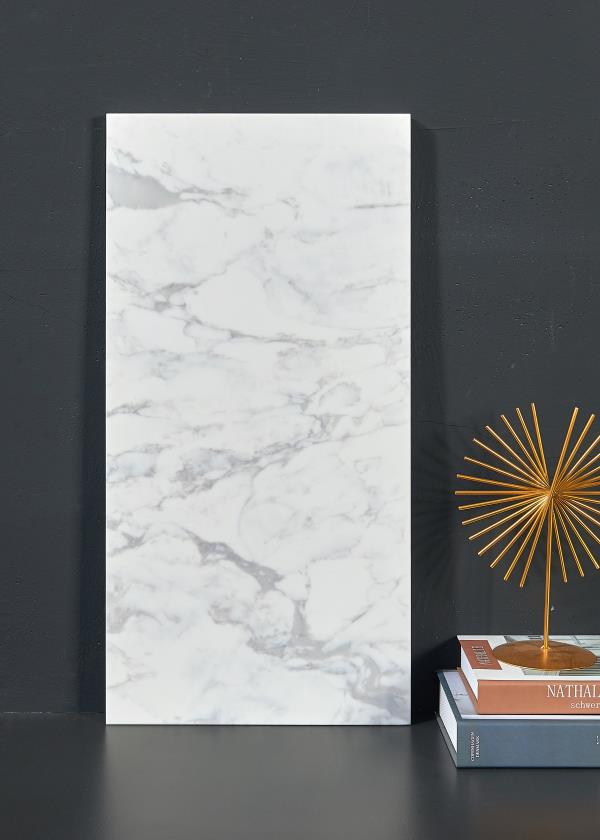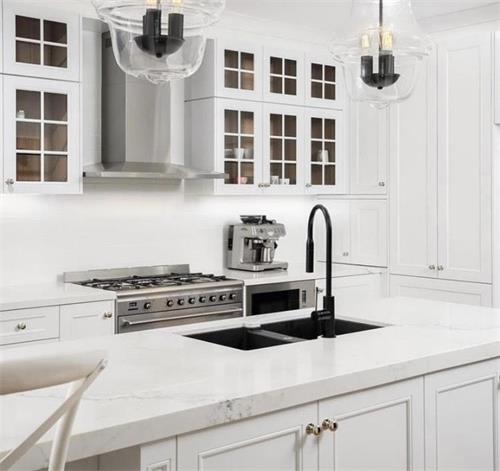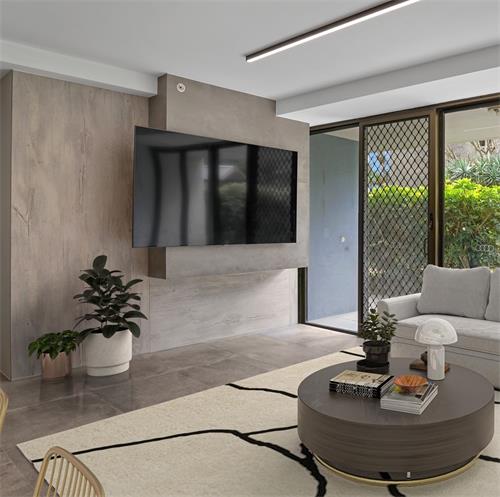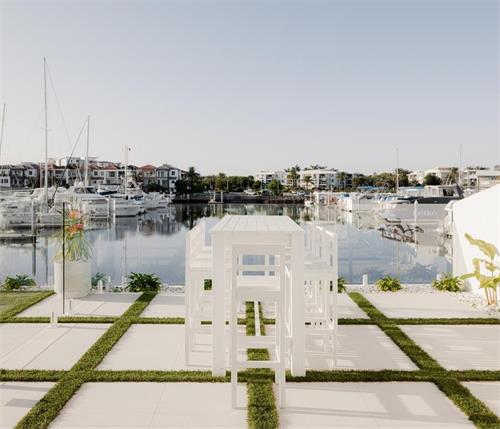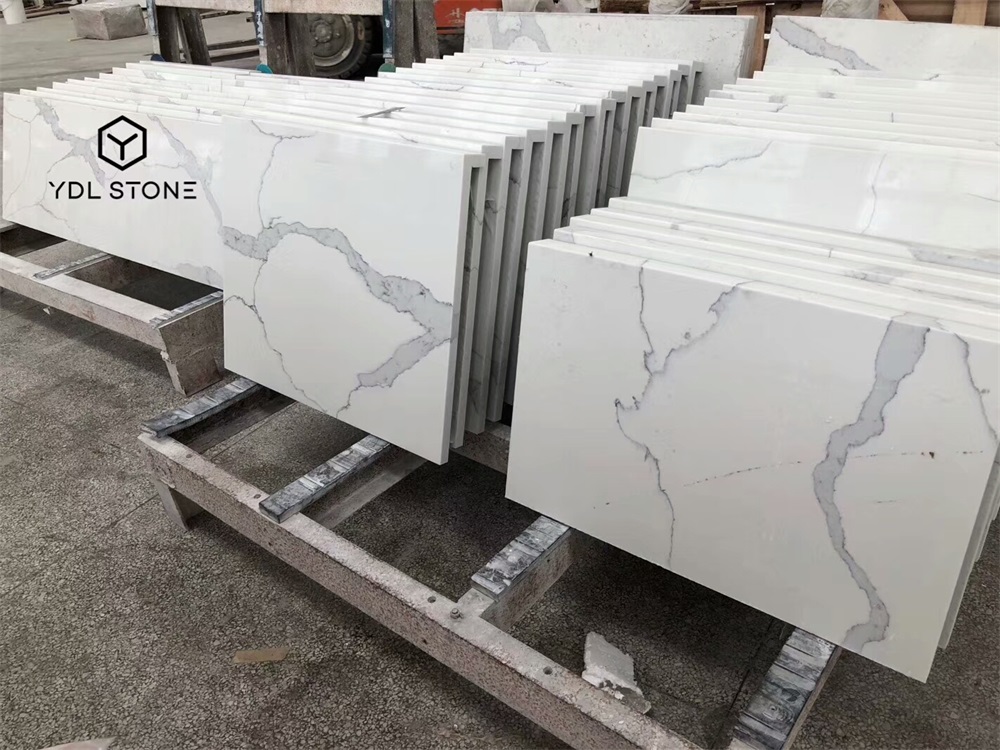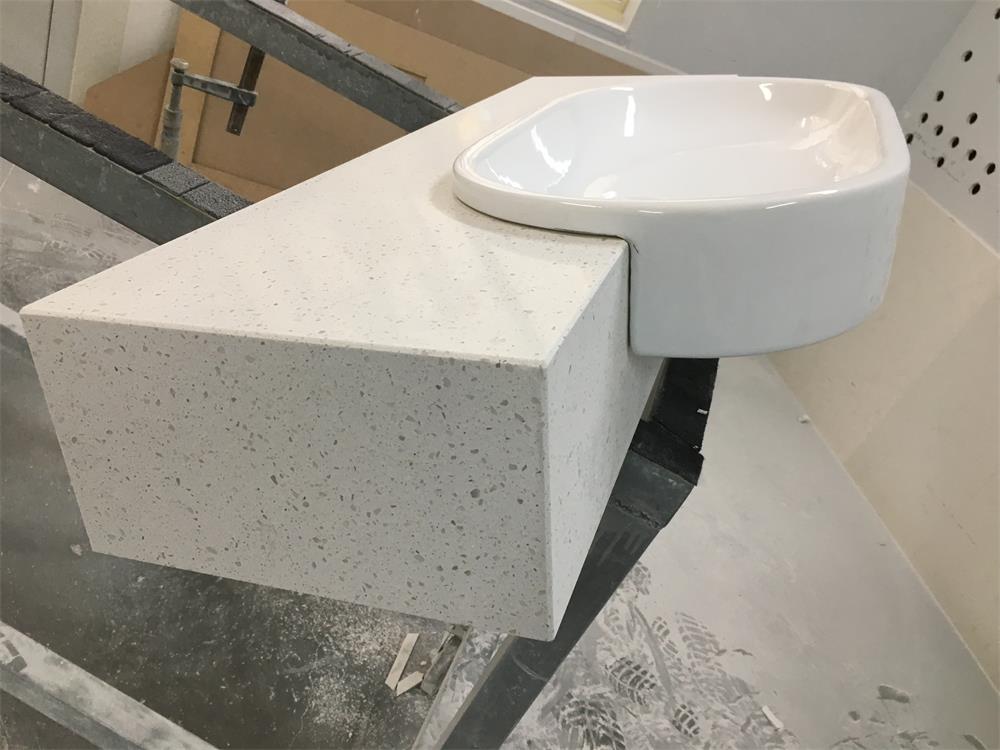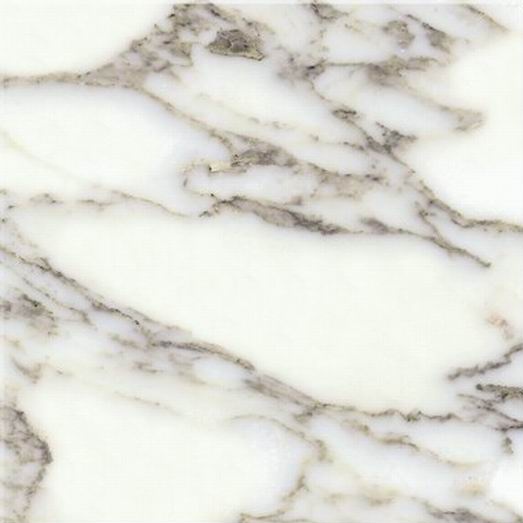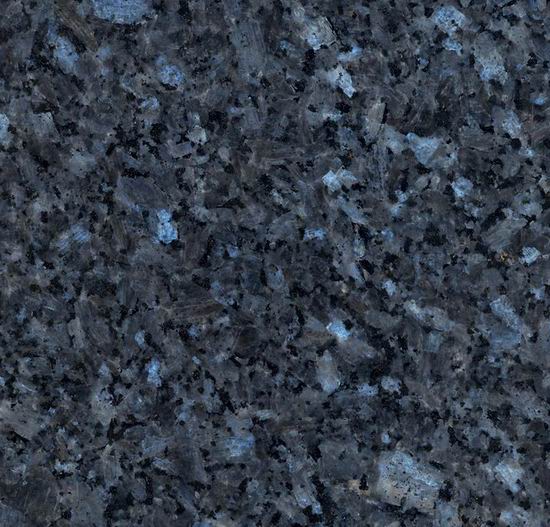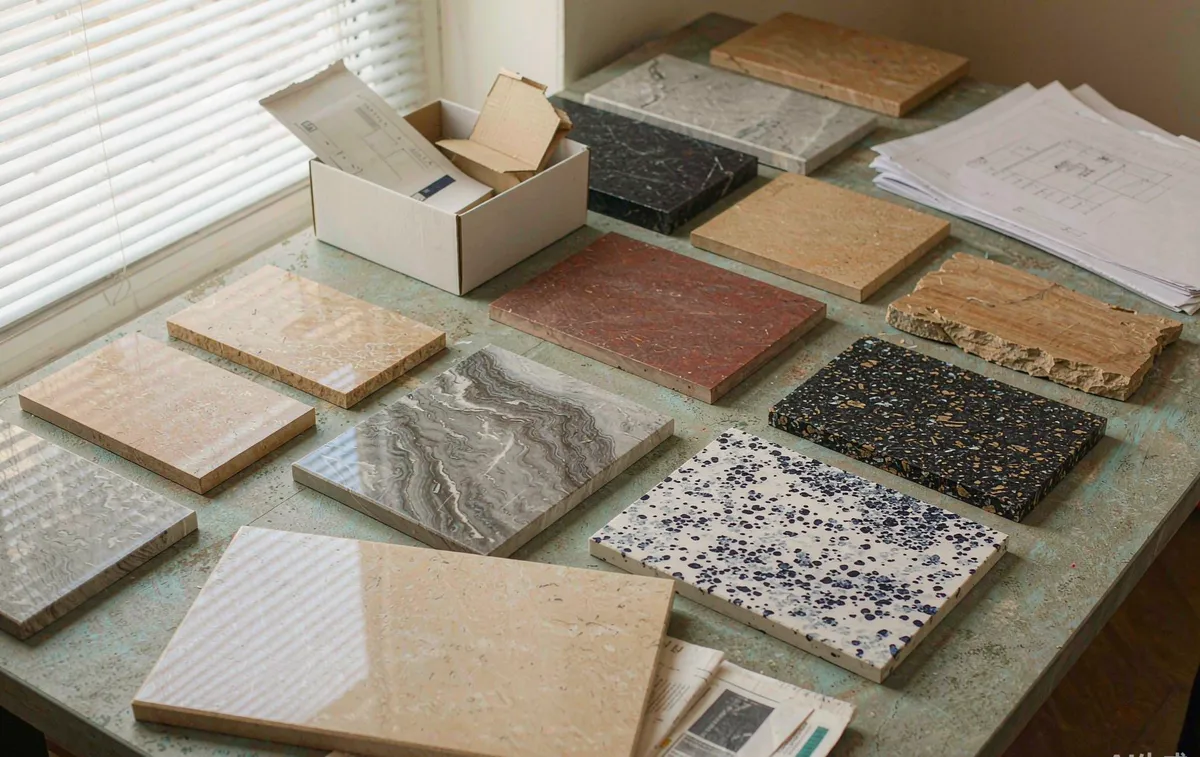
Every successful stone import project starts the same way: a sample in the client's hands, approved and signed. Yet sample ordering is where many sourcing relationships go wrong — wrong color, wrong finish, chipped corners, or samples that never arrived. A disciplined sample process protects both the buyer and the schedule. Here is the process professionals follow.
Why Samples Decide Projects
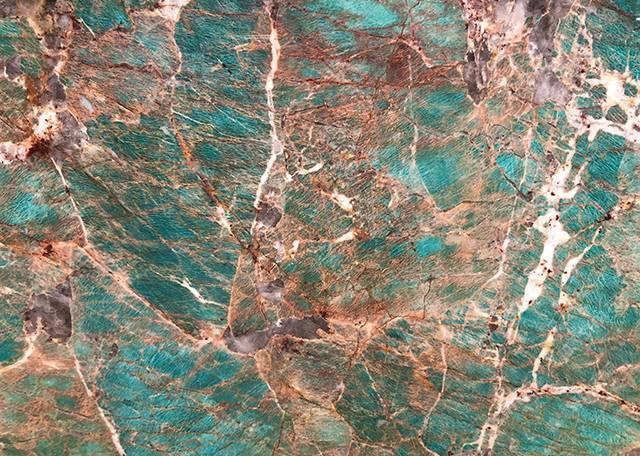
- Color truth: Screen photos lie; calibrated monitors lie differently. Only a physical sample shows the real stone
- Finish verification: Honed, leathered, brushed, and flamed finishes feel different before you commit hundreds of square meters
- Client sign-off: Architects and homeowners approve projects on samples; production must match what they signed
- Fabrication testing: Fabricators verify tooling response and sealer compatibility on real material
Step 1: Define What You Are Sampling
Be specific in the first message — vague requests cause delays:
- Material and color name (plus stock code if the supplier has one)
- Finish: polished, honed, leathered, flamed
- Size: 100 × 100 mm is standard for hand samples; 300 × 300 mm for large-format visualization
- Quantity: how many stakeholders need sets
- Application: kitchen, bathroom, floor, facade — so the supplier can advise on suitability
Step 2: Request the Right Documentation with the Sample
A sample without documents is half a sample. Ask for:
- Batch/slab photos: The actual production batch the sample came from
- Test reports: Water absorption, flexural strength, density (ASTM or EN standards)
- Quarry or lot traceability: So the approved sample can be matched at production time
Step 3: Choose the Shipping Method
- Courier (DHL/FedEx/UPS): 5-8 days, best for 1-3 kg sample sets; ask the supplier to declare samples at modest customs value with correct HS description
- Consolidated freight: For large sample panels or multiple suppliers, consolidate to save cost
- Lead time reality: Sample preparation (cutting, polishing, packing) adds 3-7 days before courier pickup — build the full 2-3 weeks into your program
Step 4: Approve Formally
When samples arrive:
1. Inspect under project lighting (warm and cool) — color shifts with light temperature
2. Test the finish: run a hand across honed surfaces, spill water on porous stones
3. Have the fabricator confirm workability if the material is unusual
4. Sign or stamp the retained control sample and return a copy to the supplier — this becomes the production match standard
Step 5: Lock the Sample into Production
The approval is only useful if it controls the order:
- Reference the approved sample number in the purchase contract
- Require the production batch to match the approved lot (same block where possible)
- Ask for pre-shipment photos of slabs against the control sample, or third-party inspection
Common Sample Mistakes to Avoid
- Approving from one sample, then buying from another batch: Color drift between quarry benches is normal; match batch to sample
- Sampling the edge, not the face: Polished-face samples show true color; cross-section samples do not
- Skipping the finish check: A honed sample approved by photo looks nothing like polished production
- No traceability: An unmarked sample is unverifiable months later
Frequently Asked Questions
Do suppliers charge for samples?
Many stock-material samples are free with the buyer paying courier; custom finishes and large panels are usually charged, often credited against the production order.
How accurate are online slab photos?
Good for shortlisting, not for approval — color calibration and lighting vary. Always confirm with a physical sample.
Can samples match large production exactly?
Matched, if the supplier reserves the approved batch. This is where block traceability matters most.
What size sample should I request for marble-look materials?
Larger is better for directional veining — 300 × 300 mm shows pattern movement that 100 × 100 mm hides.
Sample Program That Protects Your Project
YDL Stone provides documented samples with batch photos, lot traceability, and test reports, and reserves approved batches for production matching. Request samples for your project and receive courier tracking plus documentation with every set.