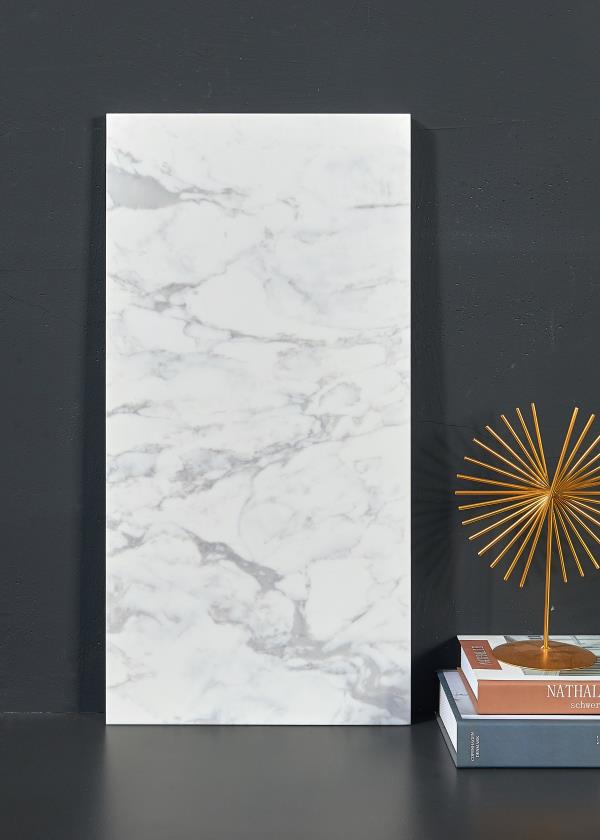
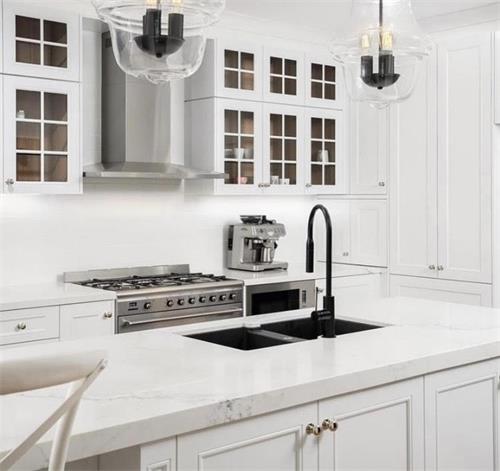
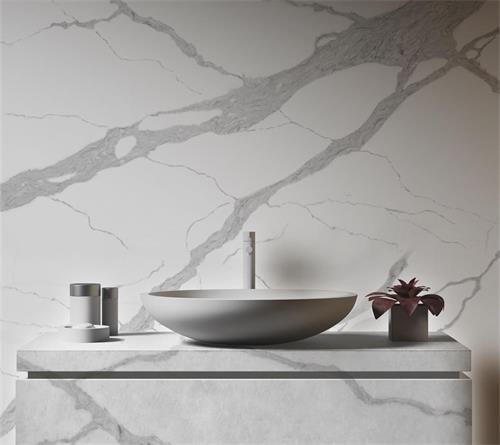
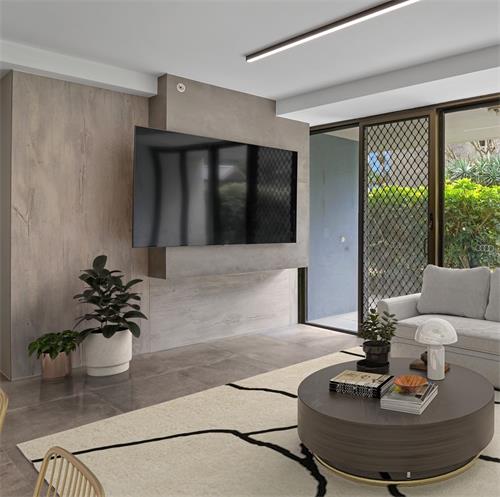
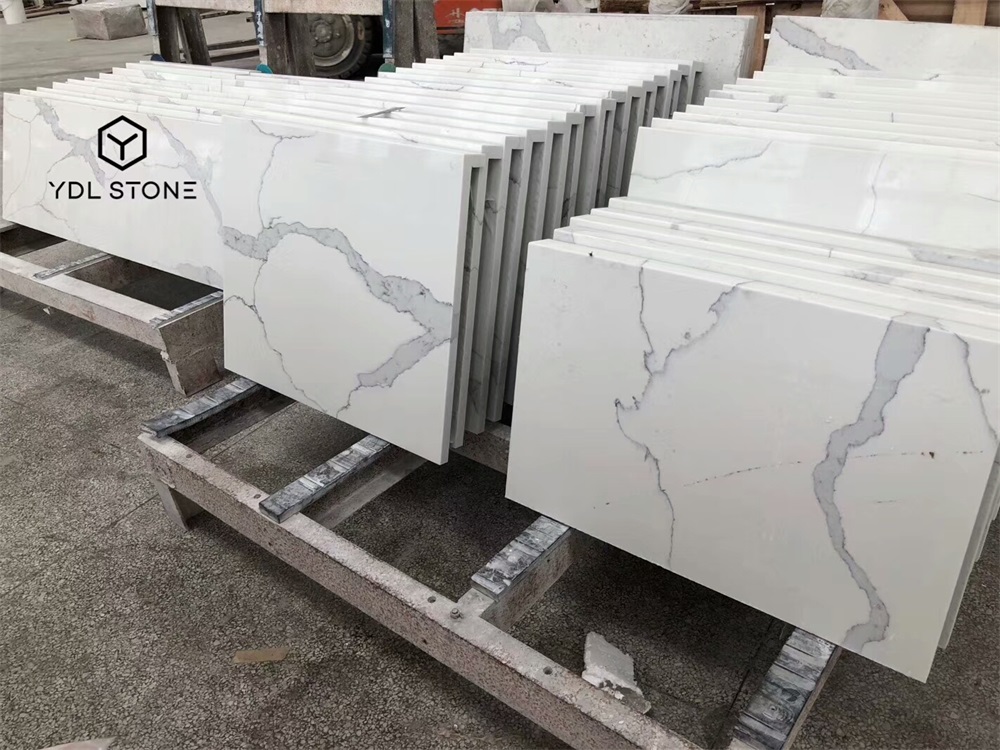










Walk into almost any stone showroom and ask for a white countertop with soft gray veining, and you will be shown three different materials: marble, quartzite, and dolomite. Of the three, dolomite is the least understood — and for many hotel and residential projects, it is the most practical answer. Dolomite delivers the calm, marble-like palette that designers want, while standing up noticeably better to everyday wear than true marble. It is not a miracle material: it is still a carbonate stone, it still needs correct zoning and care. But buyers who understand where dolomite sits between marble and quartzite can specify it with confidence and avoid paying quartzite prices for zones where dolomite performs equally well.
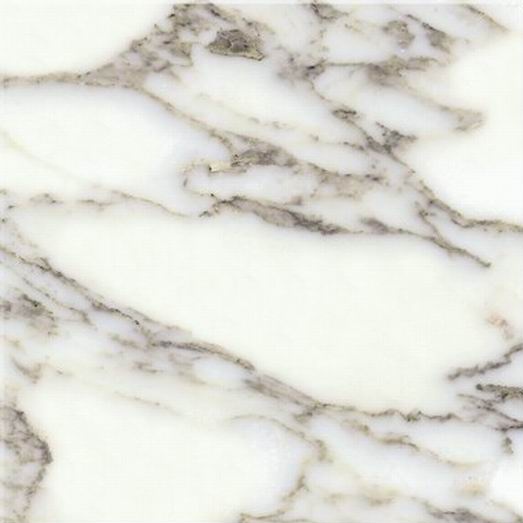
Dolomite (also called dolostone or dolomitic marble, depending on its geological history) is a carbonate rock composed mainly of the mineral dolomite — calcium magnesium carbonate, CaMg(CO3)2. It forms in closely related settings to limestone and marble, which is exactly why its appearance overlaps so much with white and gray marble: similar soft clouding, similar linear veining, similar polished reflectivity.
The key difference is chemistry. Substituting magnesium into the carbonate lattice makes the mineral structure slightly stronger and denser than calcite. On the Mohs hardness scale, dolomite mineral sits around 3.5–4, compared with roughly 3 for calcite (marble) and 6–7 for quartz-bearing granite and quartzite. That half-to-one point on the Mohs scale sounds small, but in practice it is the difference between a countertop that develops fine scratch haze in year one and one that keeps its surface even for years longer.
Like marble, dolomite is still acid-sensitive. It reacts more slowly than calcite with mild acids, but a left-behind splash of lemon juice or wine can still leave an etch mark. No carbonate stone is acid-proof, and no impregnating sealer changes that — sealers slow staining, not chemical etching.
The table below summarizes the trade-offs that matter most to specifiers and importers. Hardness values are approximate mineral-scale figures; density and water absorption for a specific lot should be confirmed against test results such as ASTM C97 rather than assumed.
| Factor | Dolomite | Marble | Quartzite | Granite |
|---|---|---|---|---|
| Mineral hardness (Mohs) | ~3.5–4 | ~3 | ~6–7 | ~6–7 |
| Acid sensitivity | High (slightly slower than marble) | Very high | Low | Low |
| Typical look | White/gray, soft veining, marble-like | Classic veining, wide color range | Often looks like marble or granite | Speckled or flowing patterns |
| Scratch wear in traffic | Moderate | Highest | Low | Low |
| Relative price level | Usually below comparable quartzite | Low to very high by variety | Highest tier | Wide range |
| Best-fit zones | Vanities, kitchen tops, walls, moderate-use floors | Low-wear feature surfaces | High-wear kitchen and bar tops | Floors, kitchens, exterior |
The practical takeaway: dolomite occupies the gap between marble's delicacy and quartzite's price. In many projects it replaces marble in exactly the zones where marble underperforms — working countertops, vanity tops, and moderately trafficked floors — while preserving the marble aesthetic that sold the design.
Dolomite's hardness advantage makes it a common choice for residential kitchen tops and hotel pantry or minibar counters, where a marble look is wanted but daily cutting, sliding cookware, and grit exposure rule out true marble. For heavy-duty hotel bar tops with constant acid exposure (wine, citrus, cocktail mixers), quartzite or granite remains the safer specification; dolomite suits kitchens where spills are wiped promptly.
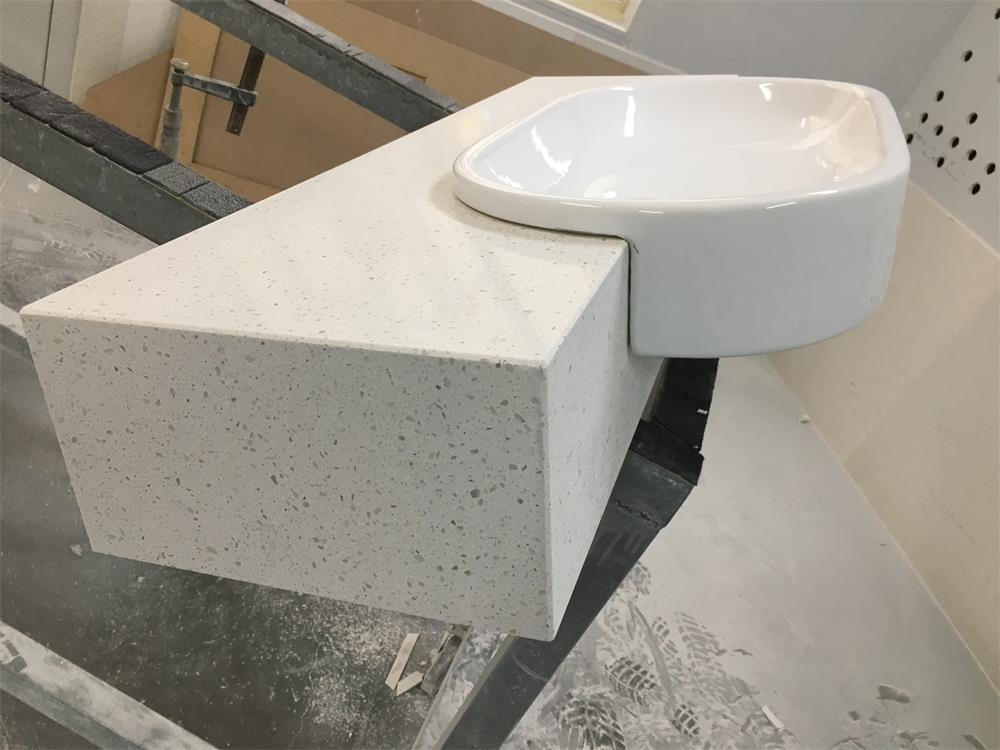
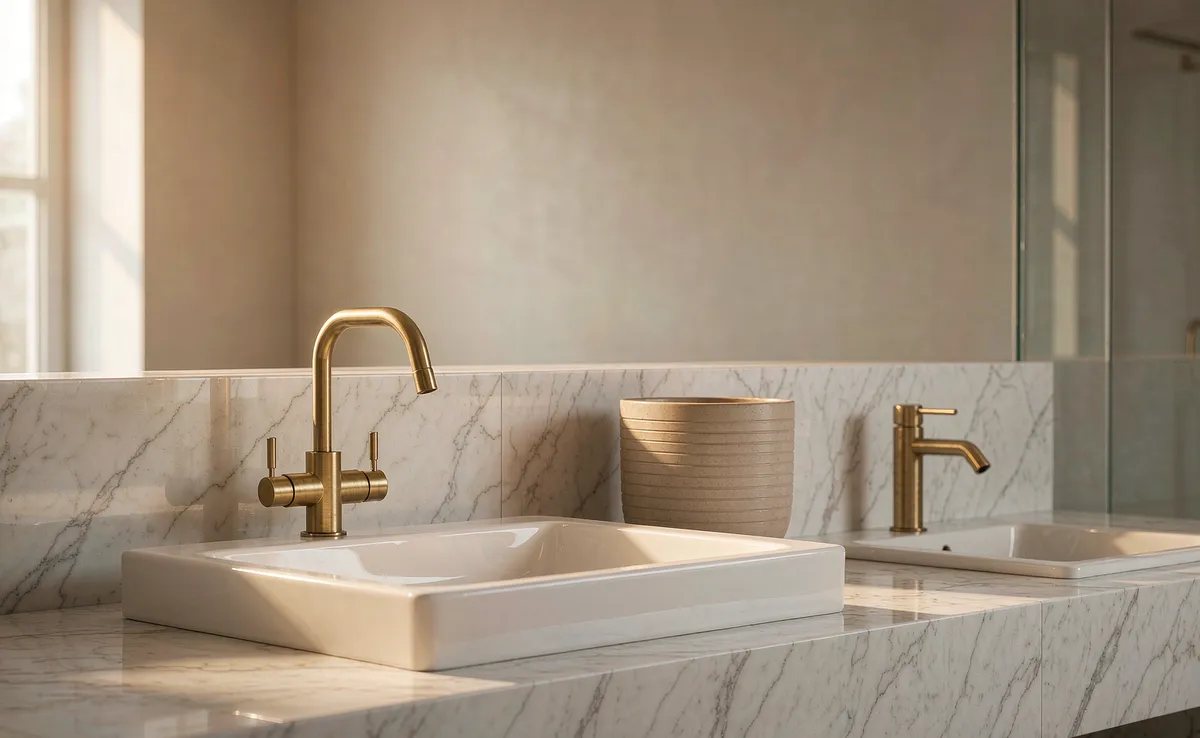
This is dolomite's strongest hospitality application. Vanity tops see cosmetics, water, and occasional soap residue rather than aggressive acids, and a honed dolomite top paired with marble-look wall tiles gives the full "marble bathroom" effect with far better wear behavior. Guest feedback rarely distinguishes the mineralogy — but the housekeeping log will.
For vertical surfaces where abrasion is minimal, dolomite competes directly with marble at a friendlier price point, and its typically more consistent white background makes bookmatched feature panels easier to source across large quantities.
Honed dolomite can work in residential entry areas and moderate-traffic hotel corridors where matting and dust control are committed. For main lobbies and heavy public traffic, the wear math still favors granite, quartzite, or porcelain.
Setting expectations before installation prevents most post-handover disputes. Dolomite will:
One trade reality deserves its own section: dolomite is frequently mislabeled, in both directions. Slabs sold as "quartzite" are sometimes soft dolomitic marble that will behave nothing like true quartzite, and vice versa. Because the marble-look segment is where the price difference is largest, buyers sourcing white "quartzite" or "marble-look" lots should verify rather than trust the tag.
Practical verification steps at the factory or warehouse:
These checks use simple, non-destructive methods and are standard practice among experienced importers of natural stone.
When adding dolomite lots to a project, put these points in writing before production:
For export shipments, dolomite travels like marble: slabs vertical on A-frames with foam separation, tiles face-to-face in lined crates, and crating specification written into the purchase order. Edge chips on carbonate stone are the most frequent transit claim, and they are preventable at the packing stage.
Dolomite's maintenance program is marble's program, relaxed by one notch:
Hand the cleaning-products list and sealer schedule to the operator or homeowner at handover — most dolomite "problems" reported back are actually acidic housekeeping products.
No. Dolomite is a carbonate stone (calcium magnesium carbonate); quartzite is a metamorphosed quartz sandstone, far harder and acid-resistant. Some slabs traded as "quartzite" are actually dolomitic material, which is why a scratch test and a written stone-type declaration in the PO are worth requiring.
They can etch, but noticeably less readily. Dolomite reacts with acids more slowly than calcite marble. With prompt spill cleanup and pH-neutral cleaning, etching on a dolomite kitchen top is manageable — but it is not acid-proof, and heavy bar service is still better on quartzite or granite.
Yes, for most residential kitchens and light-commercial applications where a marble look is the priority. Its Mohs 3.5–4 hardness resists everyday scratching better than marble. Pair it with normal kitchen discipline: cutting boards, trivets, prompt spill wiping.
With a penetrating impregnating sealer, the same category used on marble. Reapply on a 12–24 month cycle or when a water-drop test shows absorption. Sealing reduces staining; it does not prevent acid etching.
It depends on the marble. Dolomite is usually priced below the rare white marbles and below comparable quartzite, and broadly in the range of common white marble varieties. For a marble-look kitchen or vanity package, it often delivers the same visual result at a lower total cost once maintenance is considered.
Bundle photos against the approved color reference, scratch/acid verification of stone identity, density and absorption test results (ASTM C97) for critical applications, thickness and calibration per bundle, and edge condition after crating. Reserving blocks for the project keeps later shipments consistent.
YDL Stone supplies dolomite, marble, quartzite, travertine, and limestone blocks and slabs for hotel and residential projects, with block selection, slab reservation, identity verification, factory QC, and export crating handled in one workflow. If you are evaluating dolomite for a kitchen, vanity, or cladding package and want help verifying lots and matching finishes to each zone, contact the YDL Stone team for samples and a project quotation.